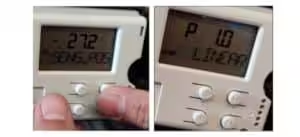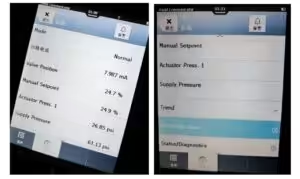
This guide explains the basic procedure for commissioning an SVI3 series valve positioner using a signal generator and HART handheld communicator.
Before starting, confirm that the air supply, electrical wiring, actuator linkage, and valve installation are correct.
Step by Step to Commission Masoneilan SVI3 Digital Valve Positioner
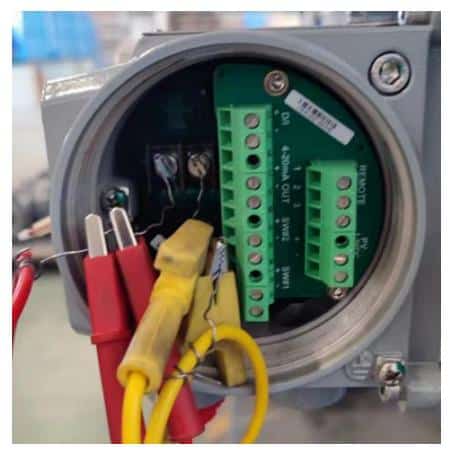
Step 1: Connect the Signal Generator and HART Communicator
Connect the positive terminal of the signal generator and the positive terminal of the HART communicator to the positive terminal of the SVI3 positioner.
Connect the negative terminal of the signal generator and the negative terminal of the HART communicator to the negative terminal of the positioner.
Make sure the signal loop has sufficient resistance for stable HART communication.
Step 2: Enter Advanced Setup
Open the main menu of the HART communicator.
Find and select:
Advanced Setup
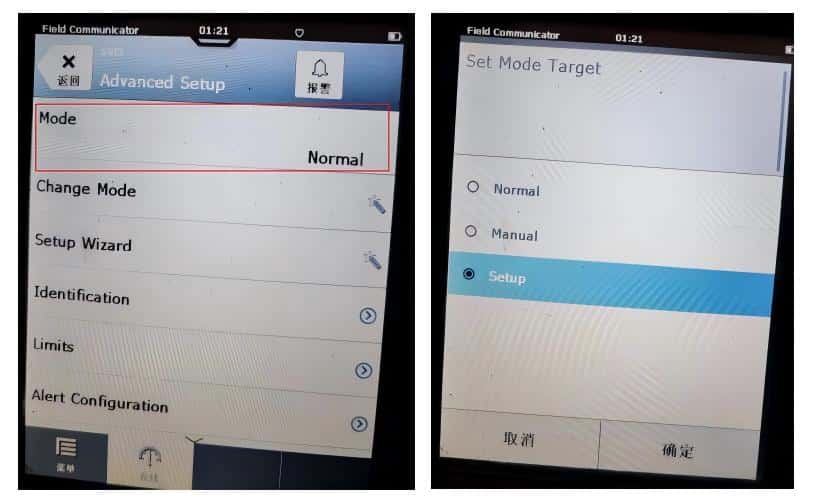
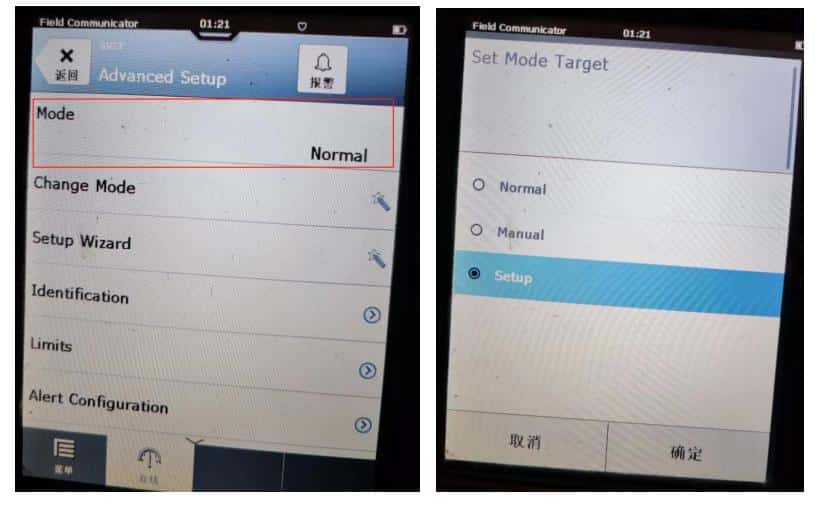
Step 3: Change the Positioner to Setup Mode
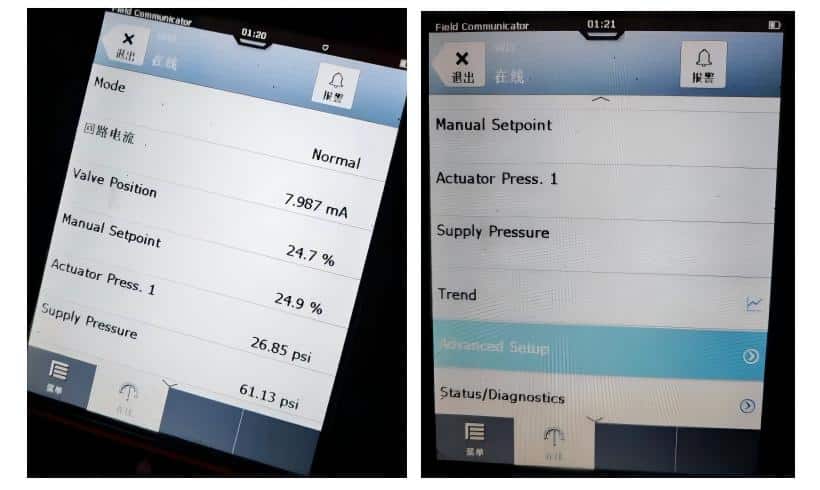
In the Advanced Setup menu, locate the Mode setting.
Change the operating mode from:
Normal → Setup
The positioner must be in Setup mode before actuator configuration and travel calibration can be performed.
Step 4: Open the Actuator Settings
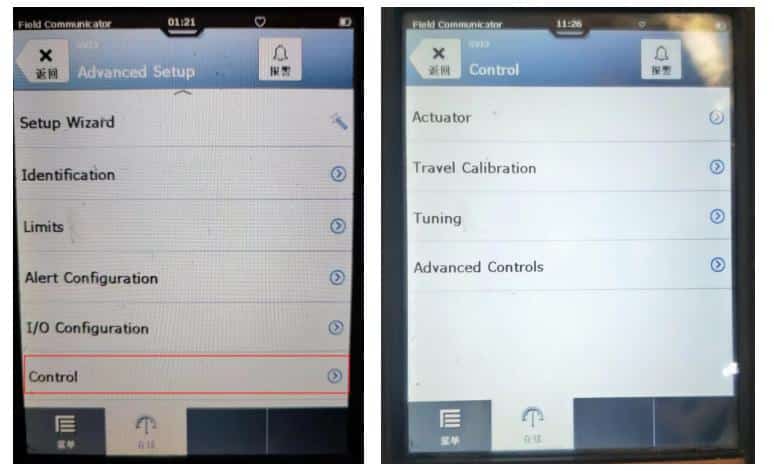
Enter the following menu:
Control → Actuator
This menu is used to configure the actuator action and perform travel calibration.
Step 5: Set the Actuator Action and Find the Travel Stops
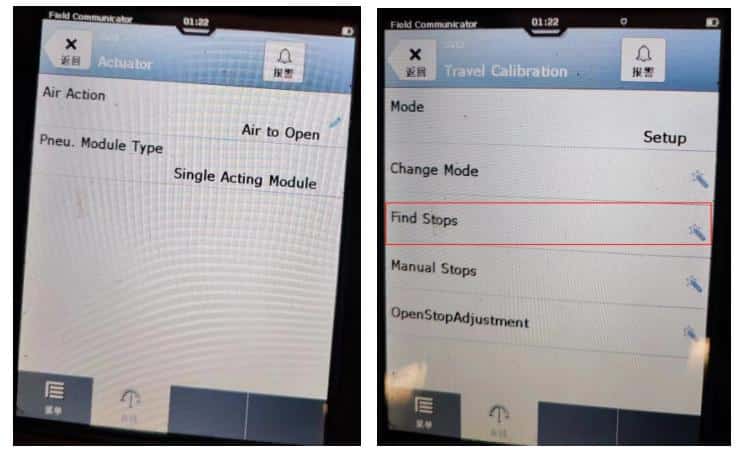
In the Actuator menu, select the correct valve or actuator action according to the actual installation:
- Air to Open
- Air to Close
Then enter:
Travel Calibration → Find Stops
Start the Find Stops procedure. The positioner will move the valve through its full travel to identify the fully closed and fully open positions.
During this process, observe the feedback lever and linkage. Confirm that:
- The feedback lever moves smoothly.
- The linkage does not become loose or jammed.
- The feedback mechanism remains within its allowable operating range.
- The valve can reach both end positions correctly.
Adjust the feedback lever installation if necessary.
Step 6: Run PID Auto-Tuning
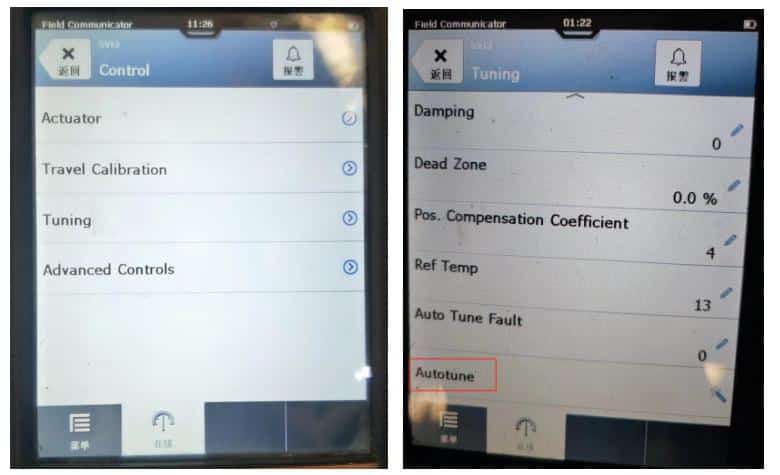
Enter the following menu:
Control → Tuning → Auto Tune
Start the Auto Tune procedure.
The SVI3 positioner will automatically operate the valve and optimize its control parameters. Wait until the auto-tuning process is fully completed.
Do not manually operate the valve or interrupt the air supply during auto-tuning.
Step 7: Return the Positioner to Normal Mode
After travel calibration and auto-tuning are completed, return to:
Advanced Setup → Mode
Change the operating mode from:
Setup → Normal
The SVI3 positioner is now ready for normal operation.
Use the signal generator to apply different input signals and confirm that the valve follows the required opening position correctly.
Typical test signals include:
- 4 mA: 0% position
- 8 mA: 25% position
- 12 mA: 50% position
- 16 mA: 75% position
- 20 mA: 100% position
Confirm that the valve movement is smooth and that the actual valve position matches the command signal.
Final Check
After commissioning, verify that:
- The positioner is in Normal mode.
- The valve action direction is correct.
- The valve reaches both travel limits.
- The feedback lever is installed correctly.
- The valve responds smoothly to the 4–20 mA signal.
- There is no abnormal oscillation, sticking, or overshoot.
- The air tubing and electrical connections are secure.
Need Support with Control Valve Selection or Replacement?
THINKTANK is a professional control valve manufacturer with more than 30 years of industry experience.
In addition to valve positioner setup and troubleshooting support, our engineering team can help you select complete control valve assemblies based on the actual process conditions, including the valve body, trim, actuator, positioner, and accessories.
If you are looking for an alternative to an existing ABB, Fisher, Masoneilan, Flowserve, Samson, or other branded control valve, please send us the valve nameplate, datasheet, operating conditions, or current model number.
We can review the original valve specification and provide a technically compatible replacement solution with reliable performance, shorter delivery time, and a more competitive total cost.
Contact THINKTANK for control valve selection, troubleshooting, or replacement support.