For complete valve package support in data center diesel generator fuel systems, visit our Data Center Fuel System Valve Package page.
In many data center projects, the diesel generator fuel system looks simple on drawings.
In reality, it is not.
During generator startup, fuel pressure is often very low. In some cases, it is close to zero, especially when the system is gravity-fed from a day tank.
This is exactly where many standard solenoid valves start to cause problems.
Most pilot-operated solenoid valves need a certain pressure difference to open. On paper, this is not always obvious. But on site, the result is simple:
the valve does not open, fuel does not flow, and the generator fails to start.
We’ve seen this happen more than once.
That is why, in data center diesel applications, a true zero differential, direct-acting solenoid valve is usually the safer choice.
Low Pressure Is Normal in Diesel Generator Fuel Systems
In many diesel generator systems, low pressure is often treated as an abnormal condition.
In reality, it is the normal state of the system.
Fuel supply in data centers is designed around reliability, not pressure.
Day tanks are usually installed only slightly above the generator. Fuel is commonly gravity-fed, especially during startup. At that moment, fuel pumps may not yet be running, and line pressure is still building up.
Under these conditions, assuming that “there will be enough pressure” is already a risk.
In real installations, pressure during startup can be very low — sometimes close to zero.
This is not a design flaw.
It is simply how these systems are meant to operate.
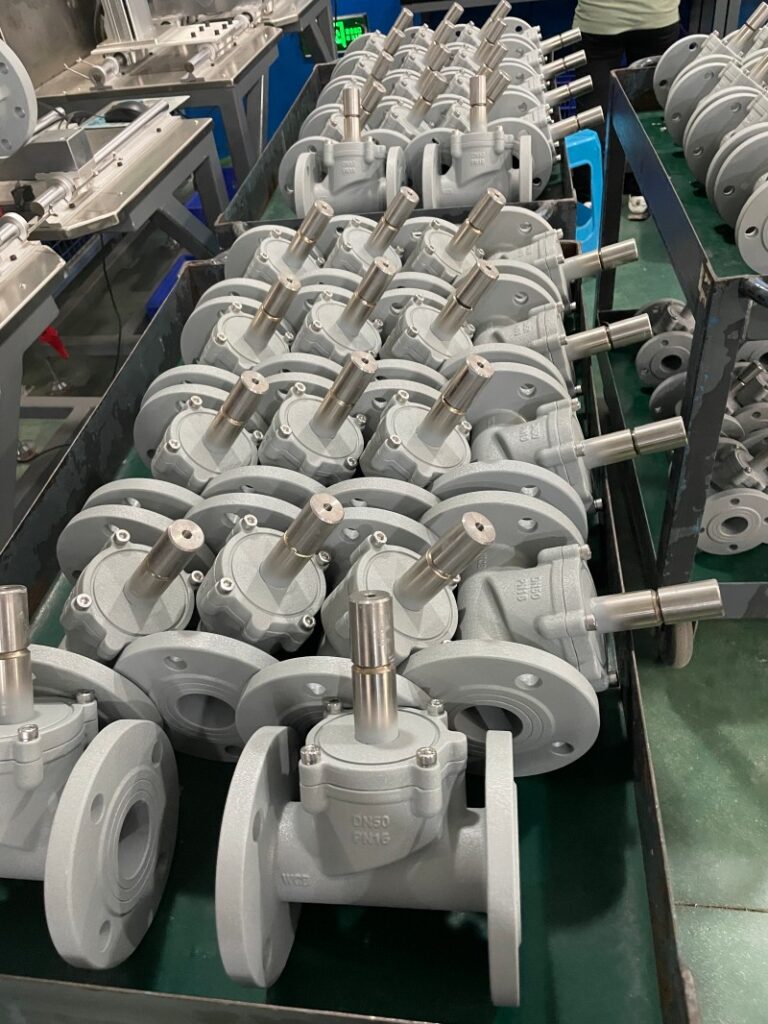
Where Standard Solenoid Valves Start to Cause Trouble
Most standard solenoid valves used in industrial systems are pilot-operated.
They are designed with one basic assumption: there will be enough pressure to help the valve open.
On datasheets, this assumption is easy to miss.
Minimum differential pressure is often written in small text, or simply taken for granted.
On site, the behavior is much more direct.
When the generator is starting and fuel pressure is still low, the valve does not receive the pressure it expects. The pilot stage does not work as intended.
The result is simple and predictable:
the valve stays closed.
Fuel does not flow.
The generator failure does not start.
This usually does not happen during testing under ideal conditions.
It happens during real startup scenarios — exactly when the generator is needed most.
We’ve seen projects where everything looked correct on paper, but the system failed because this detail was overlooked.
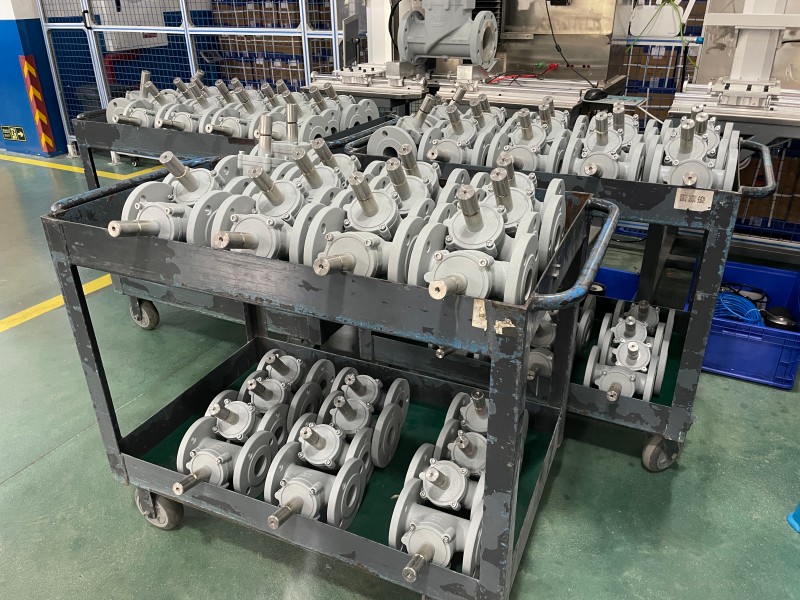
What “Zero Differential” Really Means in Practice
When people hear the term “zero differential,” it often sounds like a technical label.
In practice, it describes something very simple: the valve does not rely on system pressure to operate.
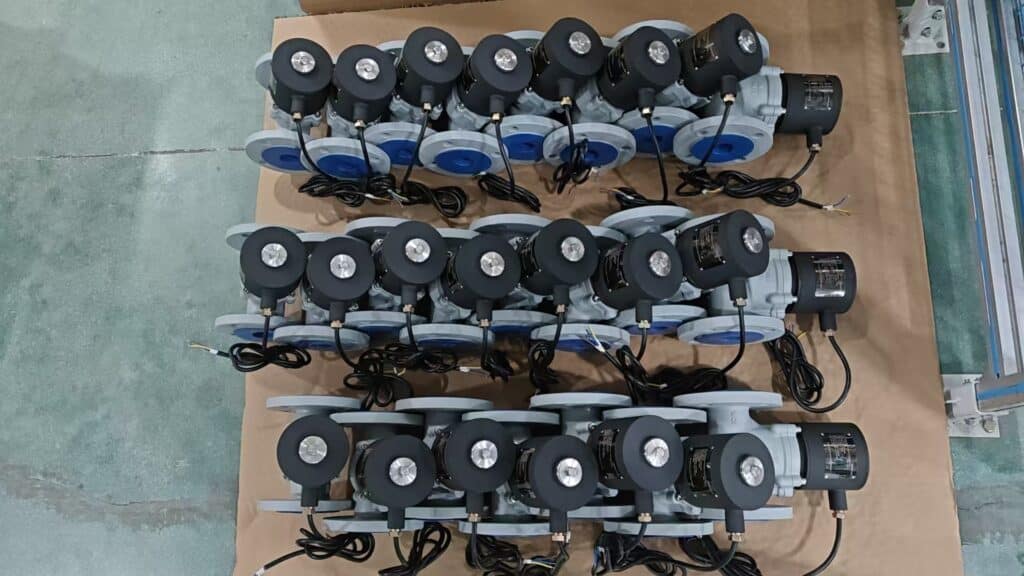
A true zero differential solenoid valve opens because of electromagnetic force alone.
It does not need inlet pressure to assist movement. It does not wait for pressure to build. It does not behave differently at startup versus normal operation.
This matters most in the exact moments when pressure is lowest — cold starts, blackout recovery, and emergency restart conditions.
Instead of assuming that pressure will be available, the valve simply works.
There is no dependency on conditions that may or may not exist.
For diesel generator fuel systems, this removes an entire category of uncertainty.
The valve is no longer a variable in the startup sequence. It becomes a predictable component.


Diesel Fuel Is Not Just Another Medium
From an engineering point of view, diesel fuel is often treated like oil.
In reality, it behaves very differently once it is placed inside an operating system.
Diesel is flammable.
Fuel lines are usually installed in confined or semi-confined spaces.
Valves are powered electrically and may remain energized for long periods of time.
Under these conditions, the risk is not theoretical.
It is the combination of fuel, heat, and electrical components in close proximity.
That is why, in many data center projects, solenoid valves used on diesel fuel lines are expected to do more than just open and close. They are also expected to reduce ignition risk and behave safely during abnormal situations such as power loss or fire events.
Explosion-proof design is not about higher specifications.
It is about matching the valve design to the environment it operates in.
When fuel is involved, this distinction matters.
How These Valves Are Typically Used in Data Center Systems
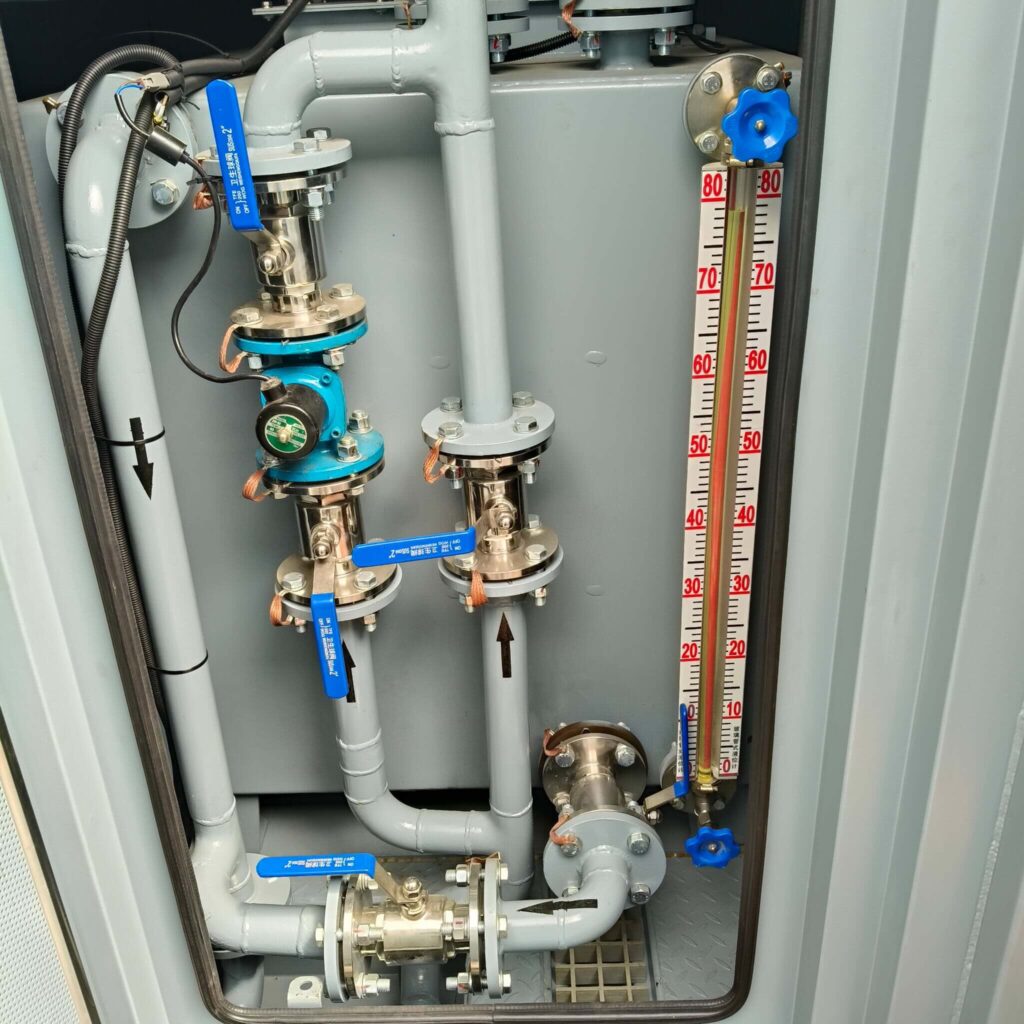
In a typical data center installation, the solenoid valve is placed on the diesel fuel supply line close to the generator.
It is usually installed between the day tank and the engine, or just upstream of the engine inlet.
On drawings, this valve often looks insignificant.
In operation, it is part of the generator’s basic startup logic.
When the system receives a start signal, the valve must open immediately and allow fuel to flow.
When the system shuts down, or when an emergency signal is triggered, the same valve is expected to close and isolate the fuel line.
This means the valve is involved in:
- generator startup and shutdown
- emergency stop logic
- fire protection interlocks
- routine maintenance isolation
It does not work on its own.
It works as part of a sequence, together with the control system, the fuel pump, and the engine.
If this valve does not behave exactly as expected — opens too late, fails to open, or fails to close — the entire sequence is affected.
That is why, in data center diesel systems, this valve is usually treated as a functional component, not just a pipe accessory.
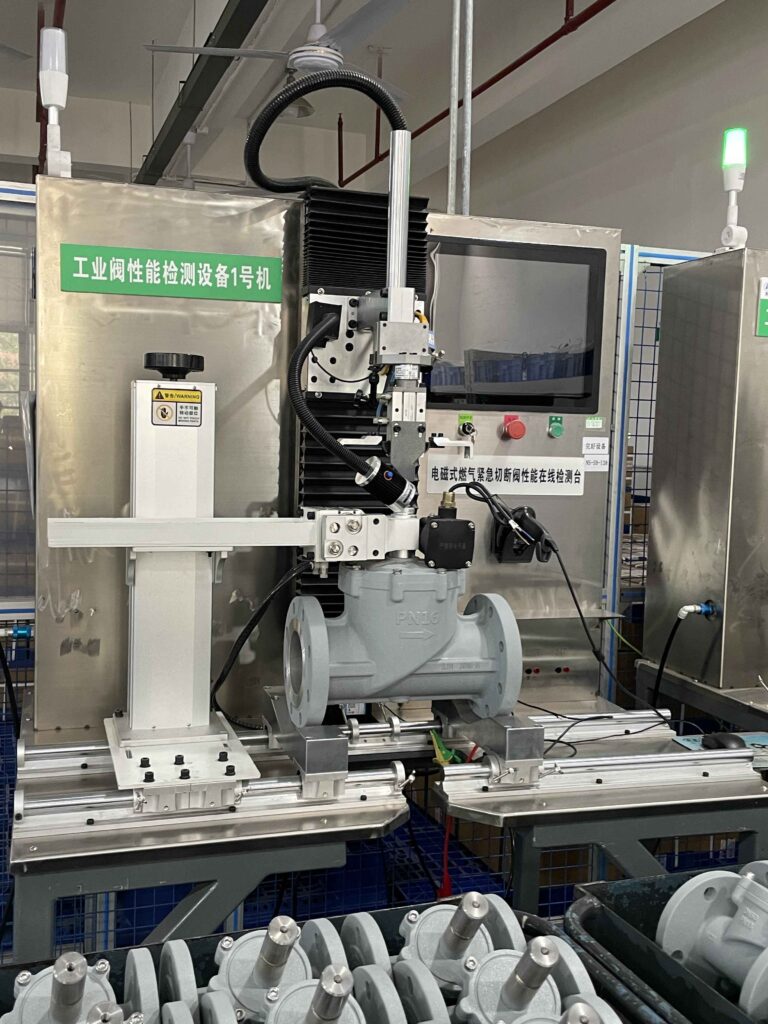
What We Need to Select and Test the Right Valve
Zero differential solenoid valves are not catalog items that can be selected by size alone.
Their performance depends heavily on how they are used.
From our experience, most problems do not come from wrong products.
They come from missing or unclear operating information.
That is why, before a valve is supplied, we always ask for the actual working conditions.
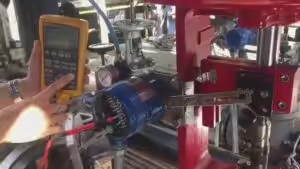
This allows us to verify the structure, materials, and configuration — and to test the valve accordingly.
To select and test the right valve, we typically need the following information:
- Medium
(diesel fuel, fuel oil, or other fluids) - Medium temperature
including normal operating temperature and maximum possible temperature - Nominal size
such as 1″ or 2″ - Connection type
threaded or flanged, and the applicable standard - Control voltage
commonly 24VDC in data center applications - Actual operating pressure
including minimum pressure, which is critical for zero differential operation - Installation orientation
horizontal or vertical - Explosion-proof requirement
if the project specifies it - Valve function
normally closed, normally open, or latching
With this information, the valve can be configured and tested to match the real system — not just theoretical conditions.
This approach avoids surprises during commissioning and startup, when changes are already costly.
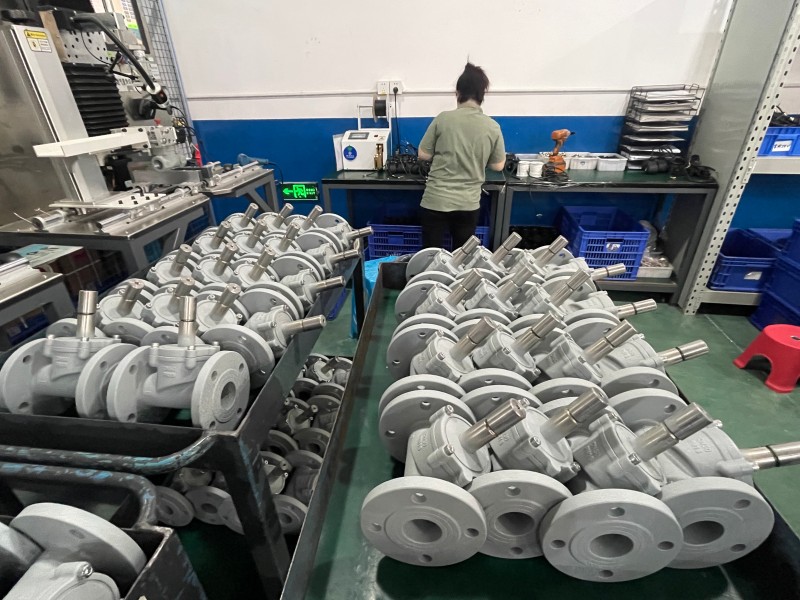
Step Direct-Acting (Zero Differential) Solenoid Valve
Technical Data & Application Reference
Application Scope
Suitable for a wide range of industrial systems, including but not limited to:
- Steam systems
- Low-temperature systems
- Industrial petroleum supply systems
- Loading and metering systems
- Liquefied gas systems
- Heating systems
- Storage tank systems
- Power plant equipment
- Petrochemical equipment
- Pneumatic systems
- Pipeline automation and control systems
Technical Specifications
Operating Principle
- Step-by-step direct-acting piston design
- Zero differential pressure operation
- Reliable opening even at very low or zero pressure differential
Nominal Size Range
- DN10 – DN300
Ambient Temperature
- −10 °C to +50 °C
- −30 °C to +85 °C
- −50 °C to +100 °C
(depending on configuration)
Control Function
- Normally Open (NO)
- Normally Closed (NC)
Power Supply
- AC: 660V, 380V, 220V, 127V, 36V, 24V
- DC: 220V, 110V, 36V, 24V, 12V
Applicable Media
- Water
- Gas
- Oil and fuel
Medium Temperature Range
- Above −200 °C
- Above −60 °C
- Above −40 °C
- Up to +60 °C
- Up to +120 °C
- Up to +200 °C
- Up to +350 °C
(actual range depends on sealing materials and valve configuration)
Operating Pressure Range
- 0.1 MPa
- 0 – 0.6 MPa
- 0 – 1.0 MPa
- 0 – 1.6 MPa
- 0 – 2.4 MPa
- 0 – 10 MPa (small nominal sizes)
Connection Types
- Threaded
- Internal thread
- External thread
- Flanged
- Welded
- Clamp (Tri-clamp)
Electrical Connection
- Encapsulated plug-type terminal
- Armored cable lead (metal conduit)
Valve Body Materials
- Cast carbon steel (WCB)
- Stainless steel
- 304
- 321
- 316
- 316L
- 316H
- 2025
- Brass
- Bronze
Electrical Interface
- Customizable upon request
Engineering Note for Selection
This valve series is designed for application-specific selection.
Actual configuration, materials, and testing conditions are determined based on the customer’s operating parameters.
For accurate selection and factory testing, customers are advised to provide:
- Medium and temperature
- Nominal size
- Connection type
- Control voltage
- Minimum and maximum operating pressure
- Installation orientation
- Explosion-proof requirements (if applicable)

Final Thoughts
In data center diesel generator systems, reliability is rarely decided by one large component.
More often, it is defined by small decisions made early in the design stage.
Fuel pressure during startup is one of those realities that is easy to overlook.
So is the assumption that a solenoid valve will “probably work” under all conditions.
From what we have seen in real projects, using a true zero differential, explosion-proof solenoid valve removes an entire layer of uncertainty from the system.
It simplifies startup behavior, aligns better with actual operating conditions, and reduces avoidable risks.
This is not about choosing a more complex solution.
It is about choosing the right one for how the system actually works.
Contact THINKTANK
If you are working on a data center diesel generator project and need support with solenoid valve selection, you are welcome to contact THINKTANK.
You do not need to determine valve structure or internal design.
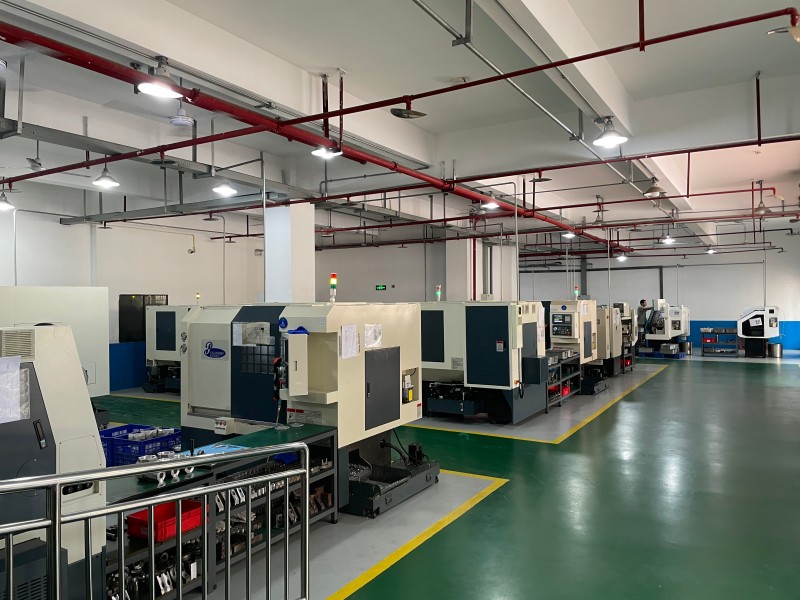
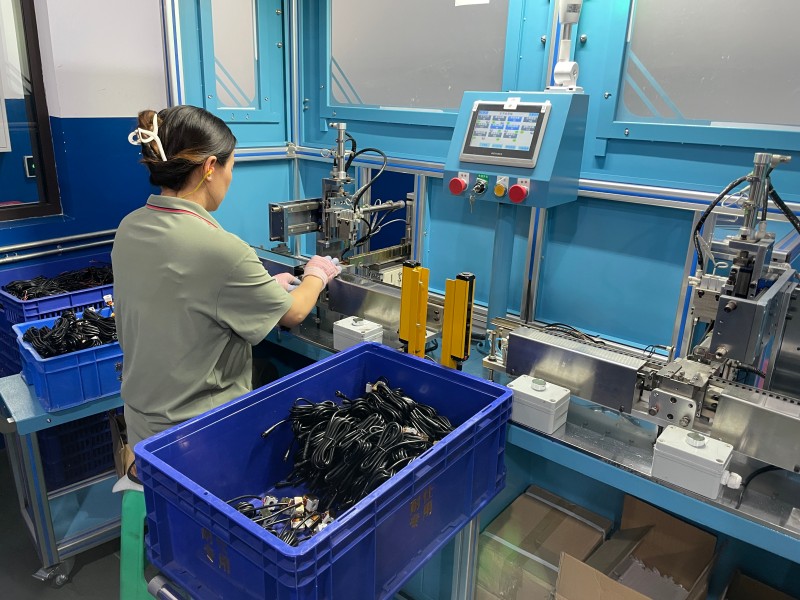
Simply provide the operating parameters, and we will handle selection, configuration, and factory testing based on real working conditions.
That is how we prefer to work —
less assumption, more verification.