An Engineering Approach to Fire Isolation in Corrosive Media Systems
In chemical processing and storage systems, valve selection often begins with corrosion resistance.
This is understandable, as many chemical media are aggressive and incompatible with bare metallic materials.
However, from an engineering safety perspective, corrosion resistance alone does not define system risk.
In many real installations, corrosive media is also flammable, explosive, or capable of sustaining combustion once released.
When ignition occurs, the dominant failure mode is no longer material degradation — it becomes uncontrolled media supply into a fire zone.
This distinction explains why PTFE / PFA lined ball valves are frequently combined with fusible link shut-off mechanisms.
Corrosion Control Is Necessary — but Not Sufficient
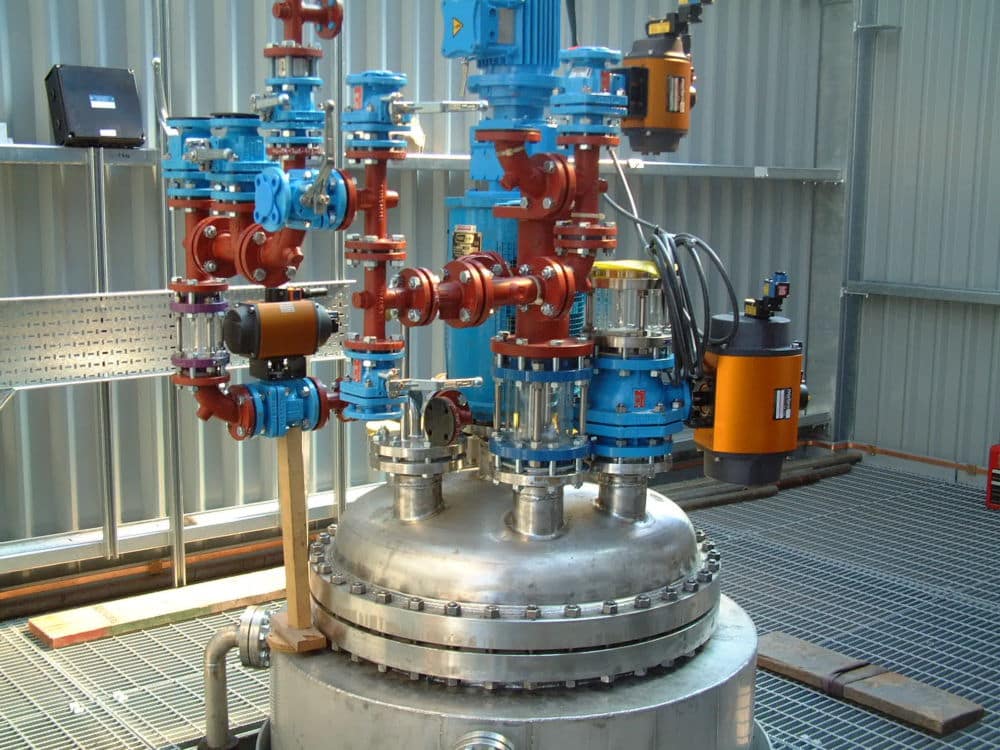
PTFE- or PFA-lined ball valves are widely used because they solve a clearly defined engineering problem.
The liner isolates the metallic pressure boundary from aggressive chemicals, providing:
- Broad chemical compatibility
- Stable performance in acidic, alkaline, and solvent-based media
- Reliable shut-off under normal operating conditions
For this reason, lined ball valves are commonly installed at:
- Chemical storage tank outlets
- Transfer and distribution pipelines
- Process isolation points in chemical units
From a corrosion standpoint, these valves perform exactly as intended.
Fire exposure, however, is a different engineering problem.
Why Corrosion Resistance Does Not Equal Fire Safety
PTFE and PFA are selected for chemical stability — not for fire resistance.
They are not designed to maintain sealing integrity under elevated ambient temperatures.
In a fire scenario:
- The lining material softens or degrades
- Sealing geometry loses its functional integrity
- Zero leakage should not be assumed
From an engineering perspective, expecting a lined valve to remain leak-tight once exposed to fire-level temperatures is not physically realistic.
This is not a design weakness.
It is a limitation defined by material behavior.
For this reason, fire safety in lined valve systems must be addressed upstream of material failure.
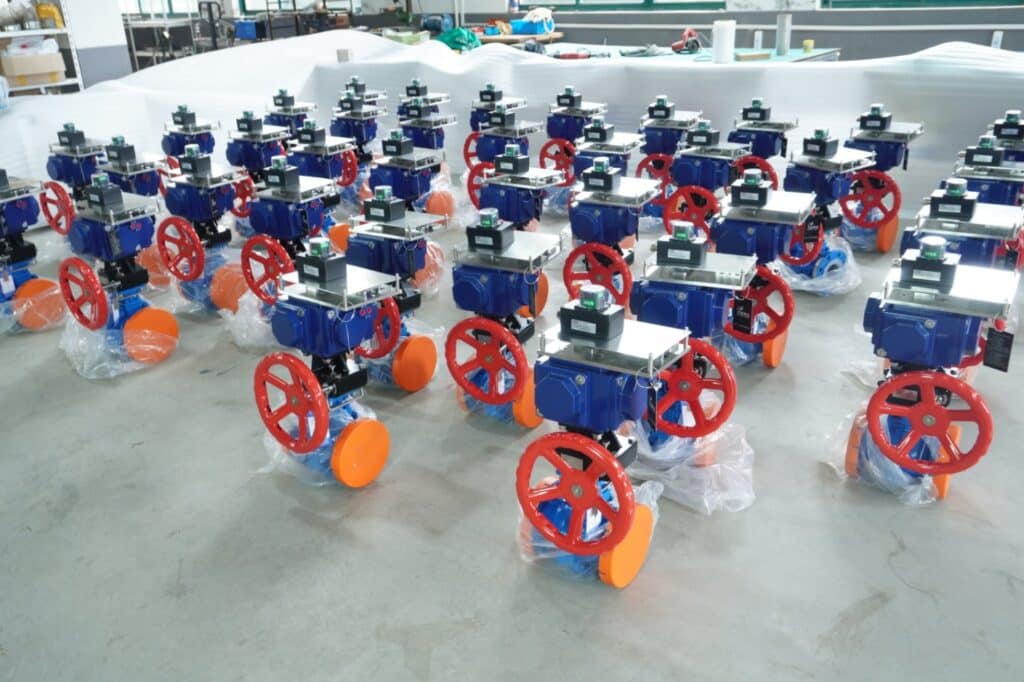
The Engineering Role of Fusible Link Protection
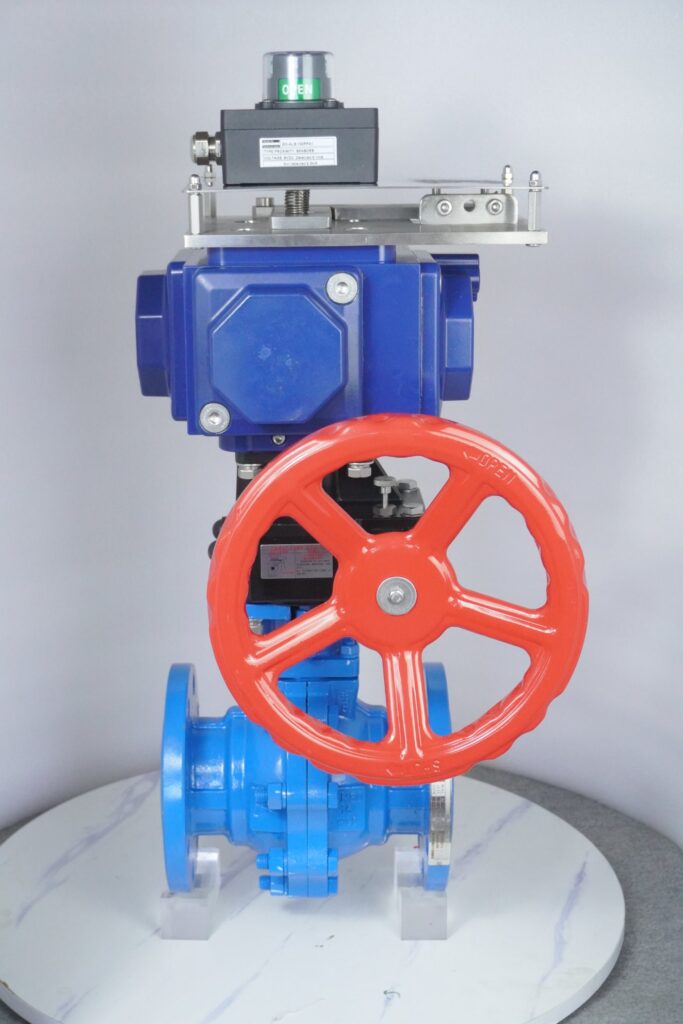
A fusible link does not turn a lined valve into a fire-rated isolation device.
Its role is more specific — and more realistic.
A fusible link provides passive, temperature-triggered isolation without reliance on:
- Electrical power
- Instrument air
- Control signals
When abnormal ambient temperature is detected, the link melts and releases stored mechanical energy, driving the valve to its shut-off position.
Importantly, typical activation temperatures are intentionally selected well below the thermal failure threshold of PTFE or PFA linings.
The engineering objective is not to seal under fire exposure, but to:
Stop the continuous flow of flammable media before fire escalation occurs.
What Actually Goes Wrong Without Automatic Isolation
Field experience shows that escalation usually follows a predictable sequence:
- Initial leakage or external ignition occurs
- Media continues to flow into the affected area
- Fire intensity increases rapidly
- Adjacent piping, valves, and supports are exposed
- A local incident escalates into a unit-level or tank-area event
Once this sequence progresses, liner behavior becomes secondary.
The system has already lost isolation capability.
In this context, early-stage isolation is far more effective than attempting to engineer fire survival at the valve level.
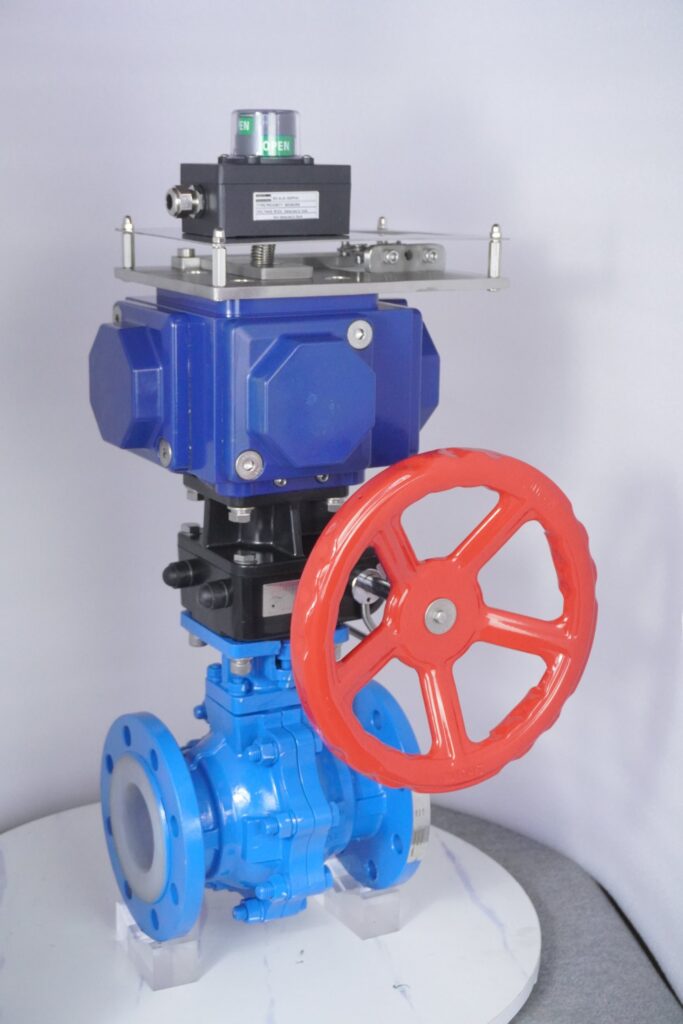
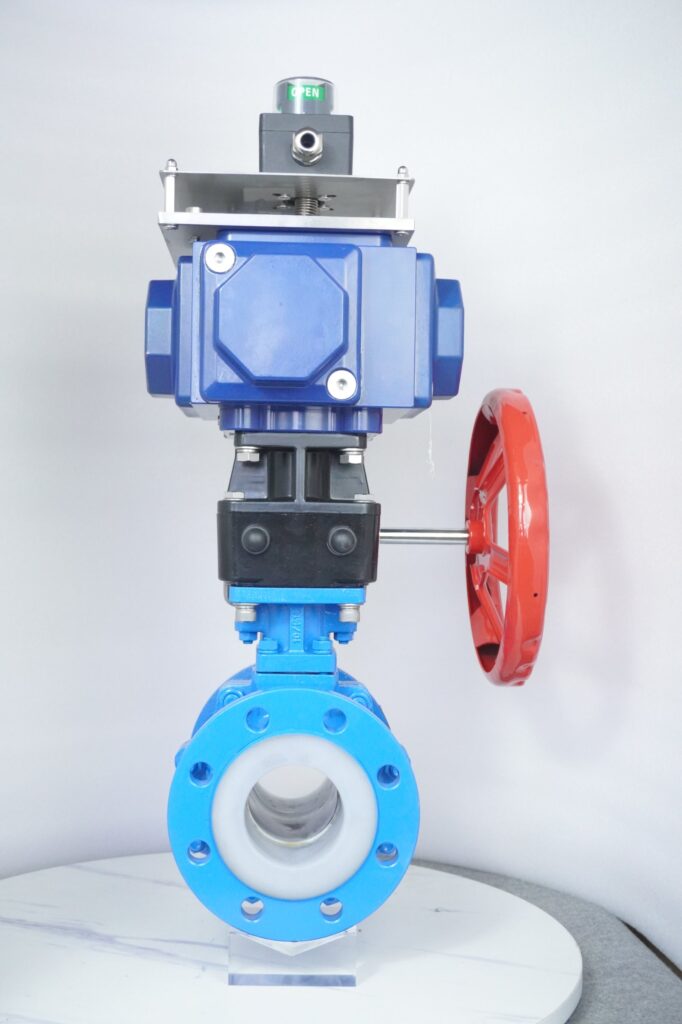
Why This Combination Makes Engineering Sense
The effectiveness of the PTFE / PFA lined ball valve with fusible link lies in functional separation, not material enhancement.
| Engineering Requirement | Addressed By |
|---|---|
| Chemical corrosion resistance | PTFE / PFA lining |
| Reliable isolation in normal operation | Ball valve |
| Fire scenario isolation | Fusible link |
| Independence from power and control systems | Passive mechanism |
The fusible link does not prevent thermal damage.
What it does is reduce the duration and severity of exposure by removing the fuel source early.
This difference defines its value in fire-risk management.
Typical Applications
This configuration is typically applied where:
- Media is both corrosive and flammable
- Valves are installed outdoors or in unmanned areas
- Electrical or instrument-based shutdown cannot be guaranteed
Common locations include:
- Storage tank outlet pipelines
- Chemical loading and unloading systems
- Transfer lines within tank farms
Engineering Considerations During Specification
When specifying fusible link protection, several practical factors should be addressed:
- Selection of appropriate activation temperature
- Installation orientation and mechanical reliability
- Liner material choice (PTFE vs. PFA) based on permeation and temperature margin
- Clear understanding that the objective is risk reduction, not fire containment
These considerations ensure that the system behaves predictably under abnormal conditions.
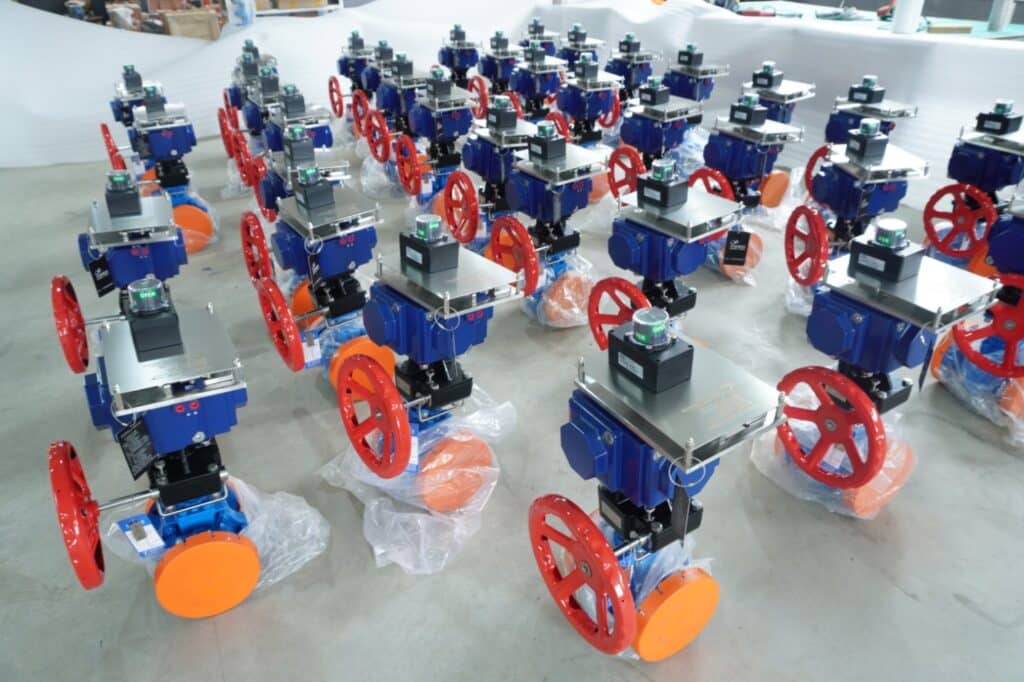
THINKTANK Engineering Position
PTFE- and PFA-lined ball valves are effective solutions for corrosion control.
They are not designed to remain leak-tight under fire exposure.
Fusible link protection does not change material behavior at elevated temperatures.
What it changes is the failure timeline.
By isolating flammable media early, it prevents fire escalation — even though zero leakage under fire is neither expected nor required.
From an engineering standpoint, fusible link protection is about cutting the fuel —
not proving that a lined valve can survive a fire.For complete valve package support in data center diesel generator fuel systems, visit our Data Center Fuel System Valve Package page.