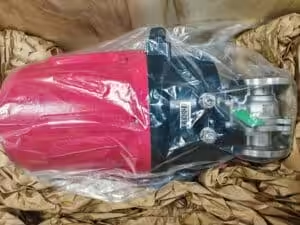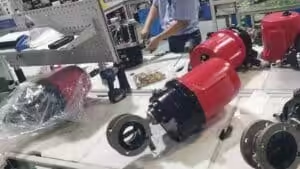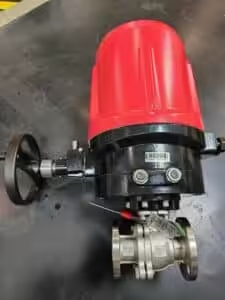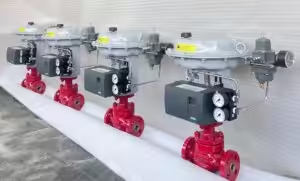
An electric spring-return valve can provide a defined mechanical response when actuator power is lost on board a vessel. The right assembly depends on the service: fuel isolation, a cooling-water branch and a ventilation damper do not automatically share the same safe position, materials or approval requirements.
Shipyards, marine equipment suppliers and system integrators should begin with the vessel’s valve schedule and approved system design. This article explains the questions THINKTANK uses to frame an application review before a spring-return actuator and valve configuration are selected.
Which shipboard duties may need spring-return operation?
| Application | Selection question | Evidence to request |
|---|---|---|
| Fuel-system isolation | What event commands closure, and where is the remote shutdown station? | Approved shutdown arrangement, valve duty and applicable flag/class requirements. |
| Cooling-water isolation or bypass | What position preserves the intended machinery cooling arrangement? | System flow diagram, material specification and defined fail position. |
| Ventilation isolation or control | Does the damper open or close under the relevant emergency sequence? | Damper assembly requirements, torque data and control sequence. |
| Auxiliary process or utility skid | What happens after supply loss and after power restoration? | Skid cause-and-effect, electrical interface and acceptance procedure. |
These are candidate application areas, not a statement that every marine valve needs a spring-return actuator. The vessel design determines the function; the selected assembly must then satisfy that function under its actual operating conditions.
Can an electric spring-return valve replace a marine quick-closing valve?
Only when the proposed arrangement is accepted for that duty. A mechanical spring can move an actuator after loss of its local electrical supply, but that fact alone does not establish compliance with the vessel’s fuel-oil shutdown requirements.
The UK Maritime and Coastguard Agency’s guidance on miscellaneous fire-protection items discusses remote closure of oil-fuel valves and the operating arrangement. For procurement, identify the applicable flag and class rules, the approved shutdown location, the complete operating system and the evidence required for the specific vessel.
Ask for the exact certificate scope where class approval or witnessing is specified. A general enclosure rating, hazardous-area certificate or actuator brochure should not be presented as a substitute for approval of the required marine valve function.
What makes marine actuator selection different?
Salt, condensation and installation location
Tell the supplier whether the assembly is in a machinery space, a protected enclosure or an exposed location. Specify the coating and fastener requirements, ambient temperature, condensation control, cable glands and enclosure protection. An IP rating describes a defined ingress test; it does not describe every corrosion, immersion or vibration condition on a vessel.
Valve materials and the actual medium
For seawater or treated cooling water, specify the water chemistry, temperature and project material requirements. For fuel, include fuel type, operating viscosity where relevant and compatible seat and seal materials. Review the valve body, trim, seals and connections together rather than treating actuator selection as the entire package specification.
Vibration, mounting and maintenance access
Provide the mounting orientation, available clearance and any vibration or shock qualification requirements. Check bracket rigidity, coupling engagement and access to the handwheel, terminal compartment and fasteners. Maintenance teams need a defined way to operate the assembly locally and return it to automatic service without leaving a mechanical lock engaged.
How do you specify the loss-of-power response?
- State the normal operating position and required fail position for each valve tag.
- Identify whether the spring action is triggered by actuator supply loss, a dedicated trip circuit, or the particular combination in the approved wiring.
- Define the behavior on loss of control signal when electrical power remains available.
- Specify powered travel time and spring-return time separately, considering pressure transients and the system shutdown sequence.
- Define the permitted state after power returns and any reset or interlock needed before operation resumes.
- Specify independent end-position feedback and how unavailable or contradictory feedback is reported.
Compare spring torque with valve torque throughout the return stroke at the stated service conditions. Include the sizing allowance and the effect of differential pressure, seat friction and temperature. Where a valve is rarely operated, include its inspection and exercise requirements in the maintenance documentation.
What should the shipyard receive before shipment?
| Deliverable | Purpose |
|---|---|
| Approved datasheet and general arrangement | Confirm materials, dimensions, mass, mounting, access and connection details. |
| Torque and actuator selection record | Show why the chosen actuator can operate the specified valve in both powered and spring directions. |
| Wiring and cause-and-effect | Align the local assembly with the vessel’s remote shutdown and monitoring system. |
| Factory acceptance records | Document travel, return direction and time, limit-switch operation, reset and the agreed valve tests. |
| Certificates and inspection documents | Provide the material, test and approval documents required by the purchase order, with their applicable scope. |
| Operation, maintenance and spares information | Support installation, commissioning and subsequent onboard maintenance. |
Agree any surveyor witness points before production and testing. Factory acceptance of the assembly and integrated onboard commissioning answer different questions; both should follow the project’s inspection and test plan.
THINKTANK resources for a marine valve inquiry
Our spring-return electric actuator technical article gives published dimensions, mounting interfaces and operating options for the TTS-R range. It provides a useful basis for initial mechanical and electrical matching, with the final configuration confirmed against the project requirements.
For tank-related packages, THINKTANK also publishes an 11,200-cycle breather-valve test report and its customized valve engineering process. These records illustrate documented testing and design work. A breather-valve cycle result applies to that tested valve and does not establish an electric actuator’s marine approval.
Send the service conditions with your valve list
Request a marine valve-and-actuator review from THINKTANK. Include the vessel or skid application, medium, pressure and temperature, flange standard, valve size, fail position, voltage, travel times, installation location, control diagram, and flag/class documentation requirements.
If you are comparing similar equipment across industries, see our notes on data-center fail-safe valve duties and tunnel damper actuator selection.