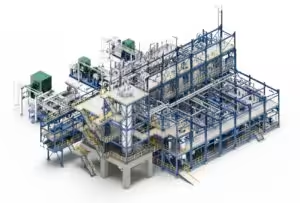
A valve problem often starts before the valve is manufactured.
Not because of poor machining.
Not because of poor assembly.
But because the real service condition was not fully understood at the design stage.
In many industrial valve projects, a standard model is not always enough. The medium, temperature, pressure, flow requirement, tank size, installation space, sealing demand, safety requirement, and maintenance condition can all affect the final valve design.
This is especially true for breather valves, control valves, safety valves, high-temperature valves, corrosion-resistant valves, molten salt valves, and other special valves used in demanding process conditions.
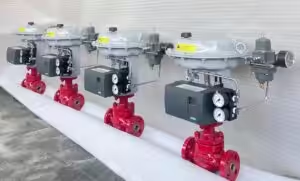
For THINKTANK, customized valve development is not only about changing dimensions or materials. It is a complete engineering process, starting from application review and moving through design, 3D modeling, simulation support, testing, inspection, and technical documentation.
That is why THINKTANK continues to build its engineering capability for customized valve solutions.
Engineering Starts from the Real Service Condition
Before a valve is selected or designed, the real working condition must be clearly reviewed.
For a breather valve, the key question is not only the valve size. The engineer needs to understand the tank volume, filling rate, emptying rate, set pressure, vacuum setting, medium properties, vapor characteristics, sealing requirement, drying chamber required, venting capacity, flange standard, and installation layout.
For a control valve, the focus may be flow rate and pressure-drop data, cavitation, flashing, noise, leakage class, actuator sizing, and positioner selection.
For a safety valve, the key points may include set pressure, relieving capacity, back pressure, discharge condition, inlet and outlet layout, and applicable standards.
For high-temperature, corrosive, molten salt, or special media applications, the review may include material selection, thermal expansion, sealing reliability, corrosion resistance, maintenance access, and long-term service risk.
Different valves have different technical focus points, but the engineering logic is the same:
- Understand the application first.
- Confirm the key parameters.
- Select the right valve structure.
- Review the design before production.
- Use testing and data to verify the result.
This is how THINKTANK reduces selection risk before manufacturing begins.
3D Scanning Helps Turn Physical Structures into Engineering Data
In customized valve development, accurate structure data is very important.
Traditional measurement can check basic dimensions, but many valve structures include complex surfaces, irregular shapes, internal transitions, and detailed assembly relationships. These areas are not always easy to record completely by manual measurement.
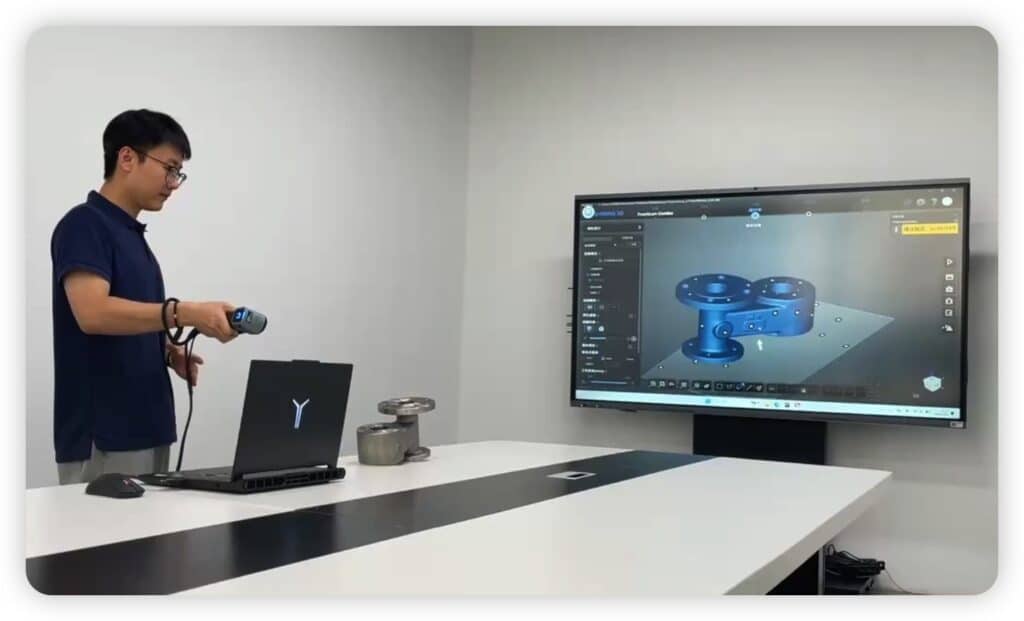
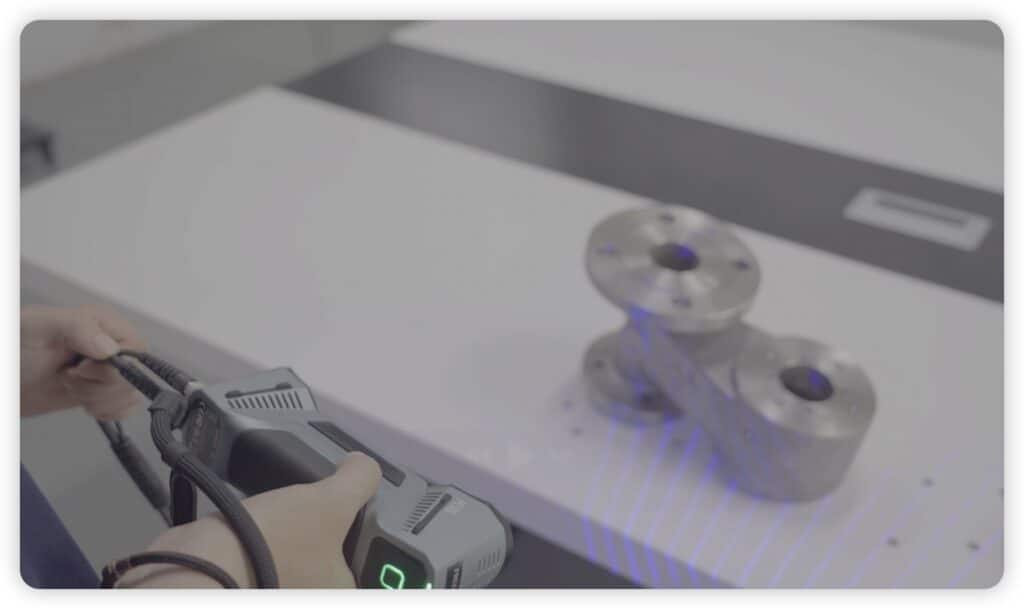
THINKTANK uses 3D scanning as part of its engineering review process. The scanned data can help our engineers capture the valve structure more clearly and convert it into digital information for design review, modeling, and further analysis.
This process can support the review of:
Valve body shape
Flange and connection dimensions
Disc movement space
Guide structure
Sealing surface position
Assembly relationship
Maintenance access
Possible design interference
For a newly developed breather valve, 3D scanning helps us review the structure before the product is finalized. It also improves communication between engineering, production, inspection, and quality control teams.
For customers, this means the valve design is not based only on experience. It is supported by visible data and a clearer engineering process.
From 3D Model to Design Review and Simulation Support
After the valve structure is converted into a 3D model, THINKTANK can review the design in a more complete engineering environment.
For breather valves and pressure/vacuum relief valves, the model helps engineers check the flow path, valve disc movement, sealing structure, body shape, and possible resistance points.
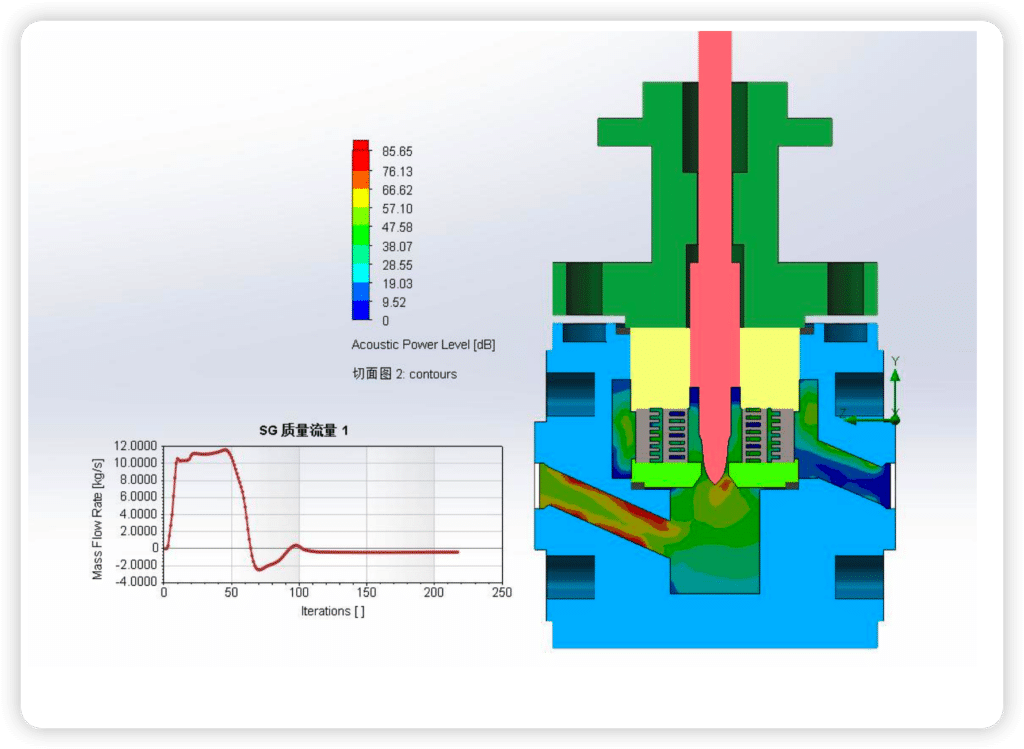
For control valves, 3D modeling and simulation support can help review flow control behavior, pressure drop, trim structure, cavitation risk, flashing conditions, noise possibility, and actuator matching.
For high-temperature and special media valves, the model can support the review of thermal expansion, sealing stability, installation space, material selection, and maintenance requirements.
Simulation cannot replace testing. But it helps engineers find potential risks earlier, compare design options, and improve the valve structure before production.
This is important for customized products, because many non-standard applications cannot be fully confirmed by drawings alone.
Test Bench Validation: Turning Design into Verified Data
Engineering review is important, but a valve design must still be tested.
For metallic industrial valves, applicable pressure and seat-leakage verification can be reviewed against ISO 5208 pressure-testing requirements together with the relevant product standard and purchase order.
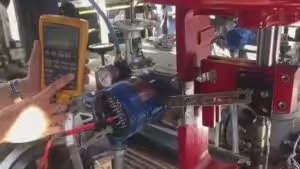
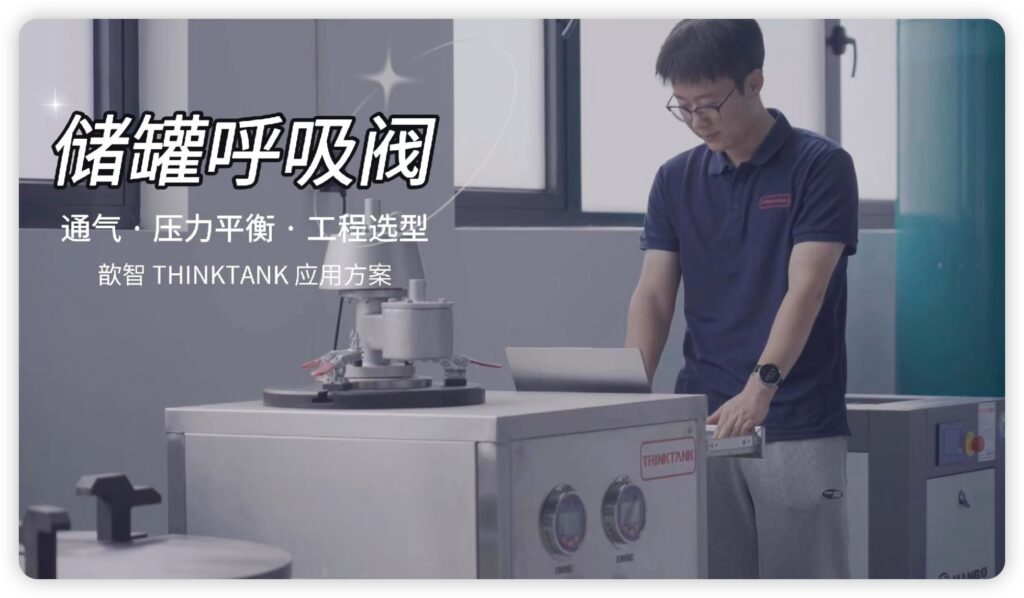
For breather valves, THINKTANK uses test bench validation to check important performance points such as opening pressure, vacuum setting, reseating performance, sealing condition, and venting behavior.
Test data helps confirm whether the valve performs as expected.
If the result is not ideal, the engineering team can go back to the model, review the structure, adjust the design, and test again. This creates a closed loop from design to validation.
This process is especially important for customized products, because non-standard applications often have special requirements that cannot be fully confirmed by drawings alone.
For THINKTANK, testing is not only the last step before delivery. It is part of product development.
Customized Valve Development Is More Than Manufacturing
Many customers come to THINKTANK not only because they need a valve, but because they need technical support before choosing the valve.
They may need help with sizing.
They may need a 3D model.
They may need a special material.
They may need a modified structure.
They may need test reports.
They may need a valve that can fit into limited installation space.
They may need engineering documents for an EPC, OEM, or end-user project.
This is where THINKTANK’s value becomes more than manufacturing.
We help customers review the application, confirm the key parameters, develop the valve structure, verify the performance, and deliver the required technical documents.
Valve Solutions Supported by Engineering Capability
THINKTANK provides engineering support and customized valve solutions for:
- Breather valves
- Pressure/vacuum relief valves
- Flame arresters
- Control valves
- Safety valves
- Fusible link valves
- High-temperature valves
- Corrosion-resistant valves
- Molten salt valves
- Special valves for demanding process conditions
Our work is not limited to supplying a standard product from a catalog.
When the application requires special materials, special structures, limited installation space, project documents, 3D models, testing, or design review, THINKTANK can support the customer from an engineering point of view.
Conclusion
Customized valve development is not only about changing dimensions or materials.
For THINKTANK, it means understanding the real service condition, building the right structure, reviewing the design, testing the product, and delivering a valve solution that can be trusted in industrial service.
From 3D scanning and 3D modeling to simulation review and test bench validation, THINKTANK continues to improve its engineering capability for customized valve projects.
Whether the application requires breather valves, control valves, safety valves, high-temperature valves, corrosion-resistant valves, molten salt valves, or other special valves, THINKTANK can support customers from an engineering point of view.
We do not only manufacture valves.
We help customers develop, verify, and deliver valve solutions for real industrial applications.