Flame arresters are used in piping systems, tank vent lines and vapor handling systems where flammable gas-air or vapor-air mixtures may be present. Their function is to allow normal gas or vapor flow while preventing flame transmission under defined operating and installation conditions.
For engineers, the selection of a flame arrester is not based only on nominal size. The correct selection depends on the installation position, gas group, flame propagation mode, operating pressure, operating temperature, pipe arrangement, allowable pressure drop, body material, connection standard and applicable project documentation.
THINKTANK supplies flame arresters for different industrial applications, including aluminum alloy, carbon steel and stainless steel constructions. Depending on project requirements, THINKTANK can support in-line flame arresters, end-of-line flame arresters, deflagration flame arresters and detonation flame arresters.
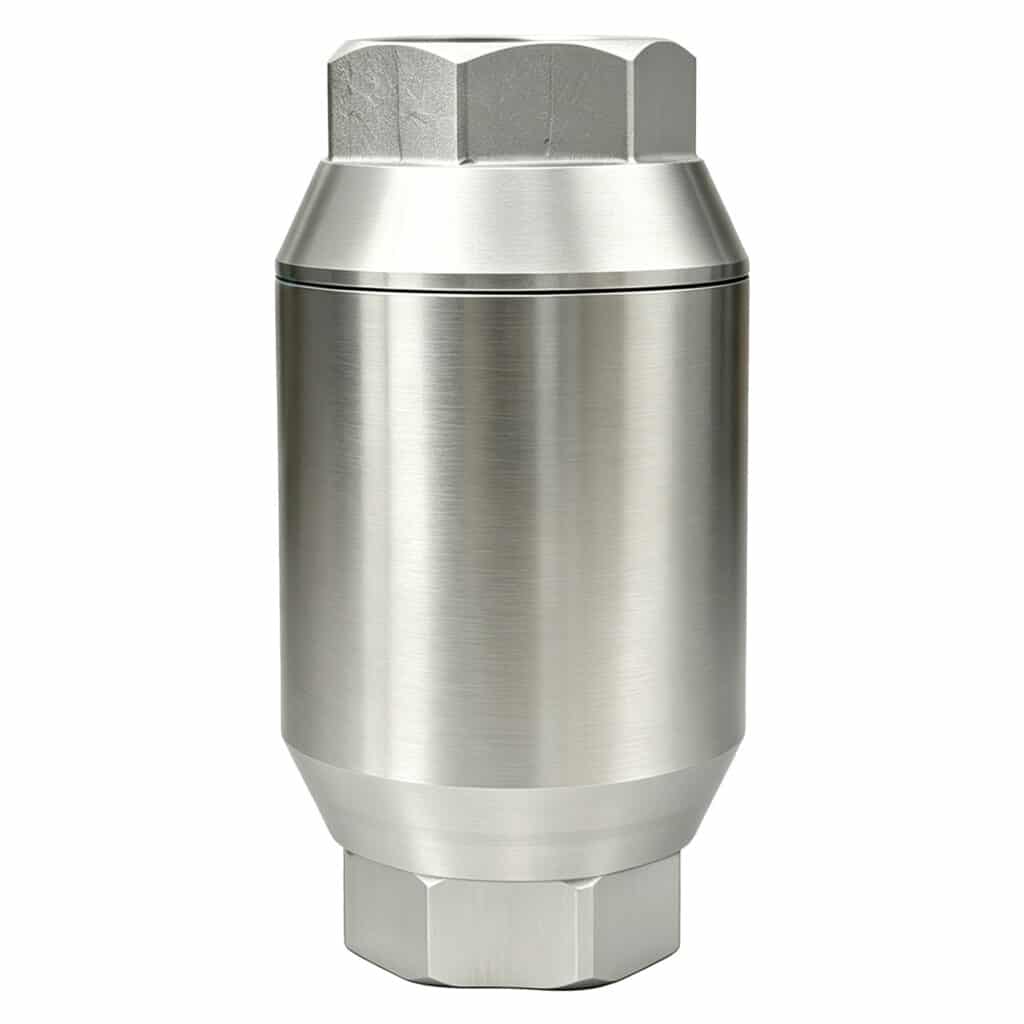
This article focuses on the FAL Series aluminum flame arresters, including the FAL25 threaded aluminum flame arrester(in-line), FAL50–FAL200 flanged aluminum flame arresters(in-line) and FAL50E flanged/threaded aluminum flame arresters(end-line), which are developed for compact gas lines, small and medium tank venting systems, vapor piping and fuel-related applications where aluminum alloy construction is suitable.
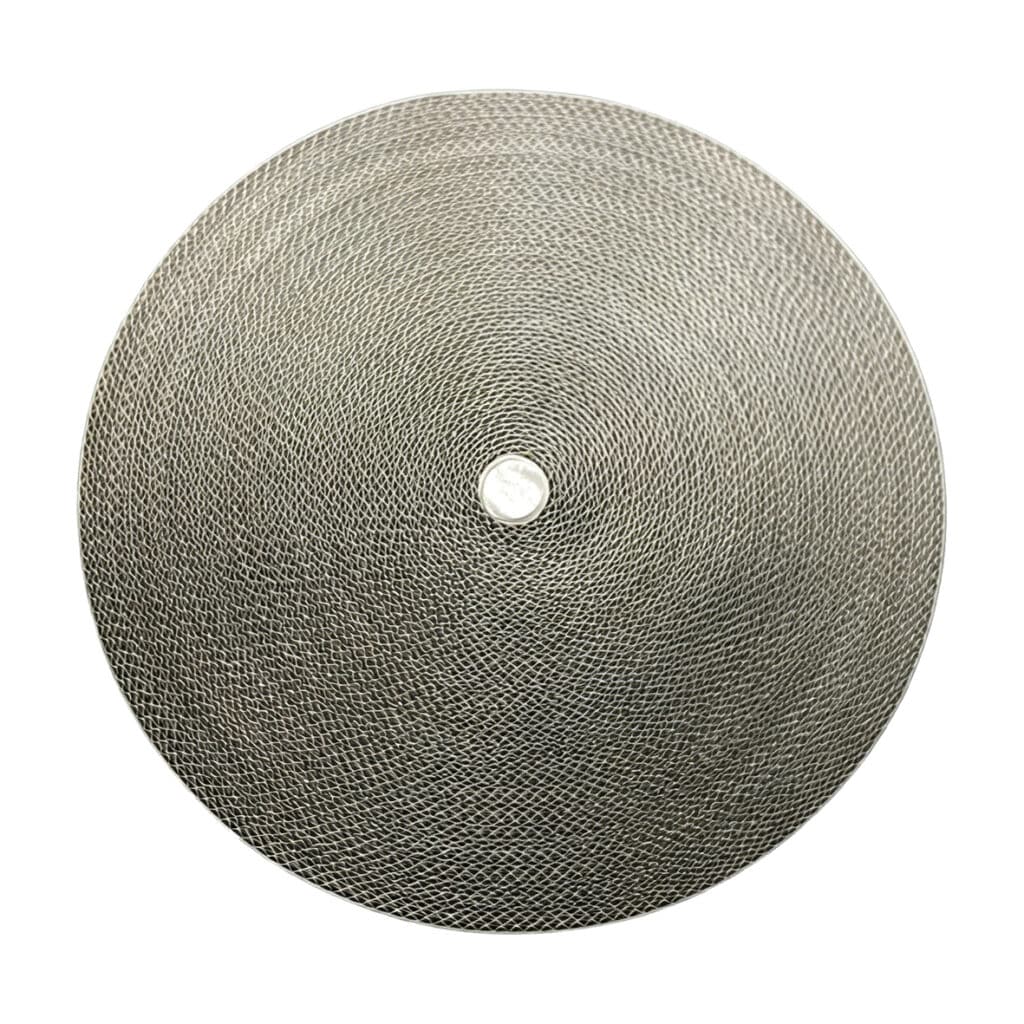
The FAL Series uses an aluminum alloy housing, stainless steel corrugated flame element, and O-ring sealing structure. The design focuses on lightweight construction, convenient maintenance, and practical installation for flammable gas pipelines and tank venting systems.
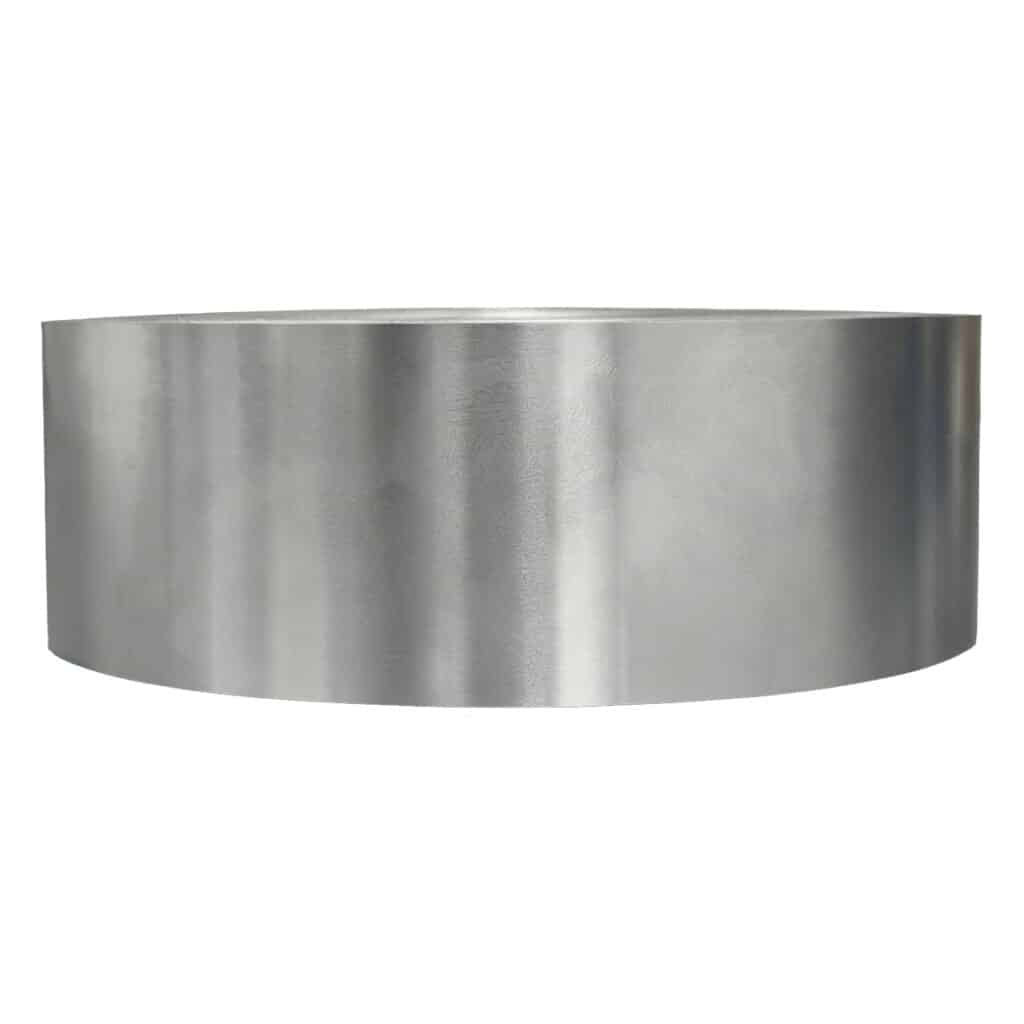
What Is an Aluminum In-line Flame Arrester?
An aluminum in-line flame arrester is installed in a gas or vapor pipeline to allow normal flow while helping prevent flame propagation through the line. When a flame front enters the arrester, the stainless steel corrugated flame element absorbs and dissipates heat, reducing the flame temperature below the ignition point of the gas mixture.
Compared with carbon steel or stainless steel housings, aluminum alloy construction offers a lighter body and easier handling, especially for small and medium-size equipment, fuel tanks, gas skids, and compact piping systems.
FAL Series Product Range
The current FAL Series includes two main structures, threaded ends and flanged ends.
| Model | Nominal Size | Connection Type | Typical Application |
|---|---|---|---|
| FAL-25 | DN25 | Threaded connection | Small gas lines, oil gas piping, natural gas branch lines, equipment discharge lines |
| FAL-50 | DN50 | Flanged connection | Small and medium fuel tanks, gas pipelines, tank venting systems |
| FAL-80 | DN80 | Flanged connection | Fuel vapor lines, gas discharge lines, tank vent headers |
| FAL-100 | DN100 | Flanged connection | Medium-size tank venting and vapor pipeline applications |
| FAL-150 | DN150 | Flanged connection | Larger vapor discharge and gas transfer pipelines |
| FAL-200 | DN200 | Flanged connection | Medium tank venting systems and process gas lines |
Note: The number after FAL indicates the nominal diameter. For example, FAL25 means DN25, and FAL100 means DN100.
FAL-25 Threaded Aluminum Flame Arrester
The FAL25 is a compact threaded aluminum flame arrester developed for small-diameter flammable gas lines. It is suitable for oil & gas, natural gas, and similar pipeline applications where space, weight, and maintenance access are important.
FAL-25 Main Features
| Item | FAL25 Specification |
|---|---|
| Product model | FAL25 |
| Nominal size | DN25 |
| Housing material | Aluminum alloy |
| Flame element material | Stainless steel corrugated plate |
| Sealing structure | O-ring seal |
| Connection | Pipe thread |
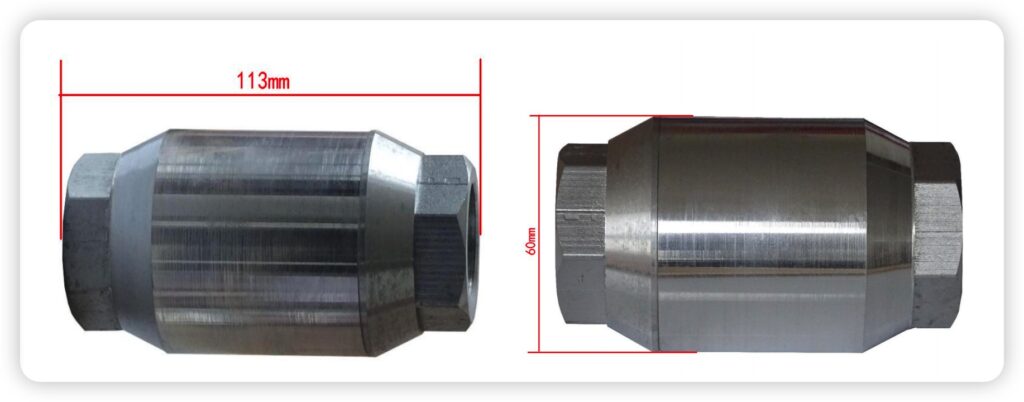
| Approximate overall length | 113 mm |
| Approximate maximum outside diameter | 60 mm |
| Typical media | Oil gas, coal gas, natural gas, flammable vapor lines |
| Maintenance | Removable structure for cleaning and inspection |
FAL-25 Tested Performance Based on Current Product Information
| Test Item | Result |
|---|---|
| Deflagration arresting test | Qualified; flame was stopped in 13 continuous tests |
| Burning resistance test | Qualified; no flashback after 1 hour burning test |
| Housing hydrostatic test | Qualified |
For international engineering projects, the final applicable gas group, operating pressure, operating temperature, thread standard, and certification requirements should be confirmed according to the actual project conditions. So you can feel free to contact us for select and sizing the right flame arresters for your application.
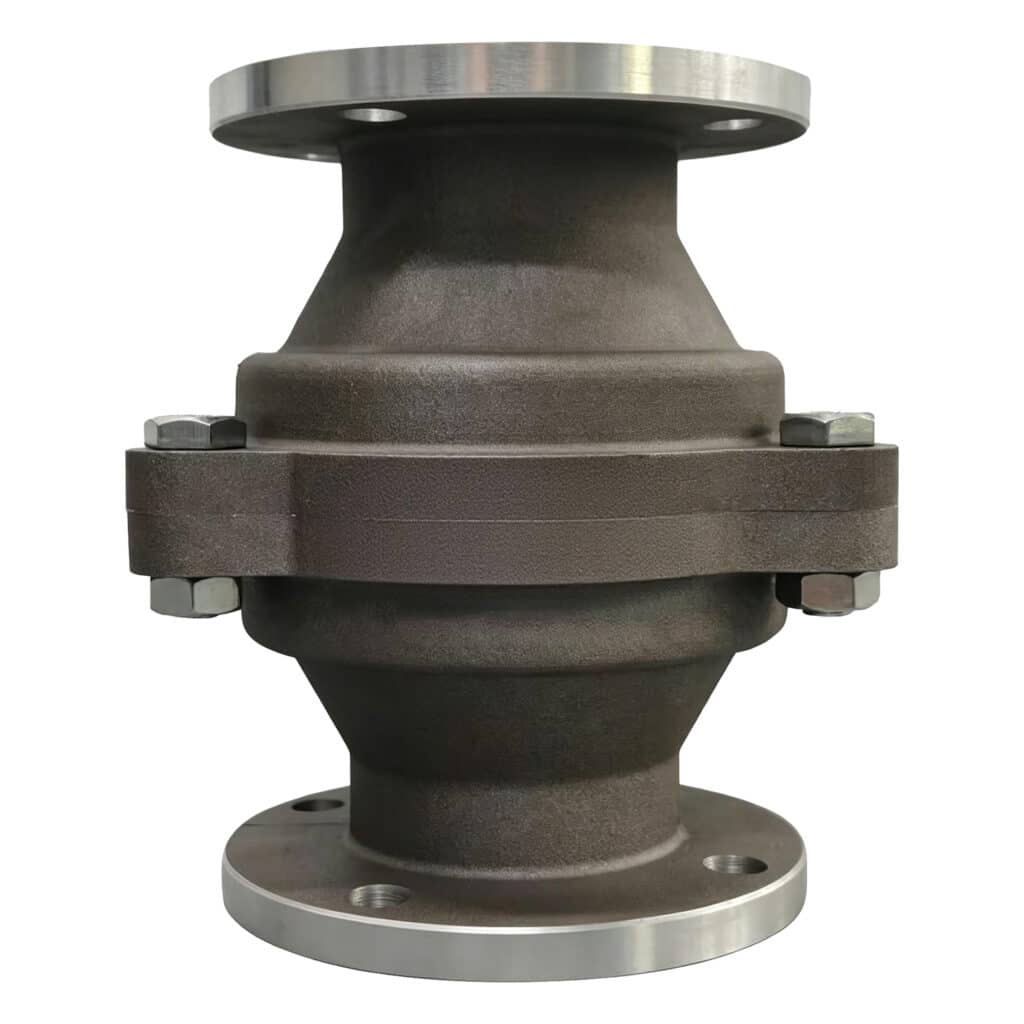
FAL-50 to FAL-200 Flanged Aluminum Flame Arresters
The FAL-50 to FAL-200 models are flanged aluminum flame arresters designed for medium and small fuel tanks, gas piping, vapor discharge lines, and tank venting applications. Compared with threaded models, flanged flame arresters are easier to integrate into standard piping systems and are more suitable for tank farms, fuel systems, and skid-mounted gas equipment.
FAL50-FAL200 Main Features
| Item | FAL50–FAL200 Specification |
|---|---|
| Product models | FAL50, FAL80, FAL100, FAL150, FAL200 |
| Nominal size range | DN50–DN200 |
| Housing material | Aluminum alloy |
| Flame element material | Stainless steel corrugated plate |
| Sealing structure | O-ring seal |
| Connection | Flanged |
| Typical media | Diesel vapor, gasoline vapor, coal gas, natural gas |
| Typical applications | Medium and small fuel tanks, gas pipelines, tank vents, vapor discharge lines |
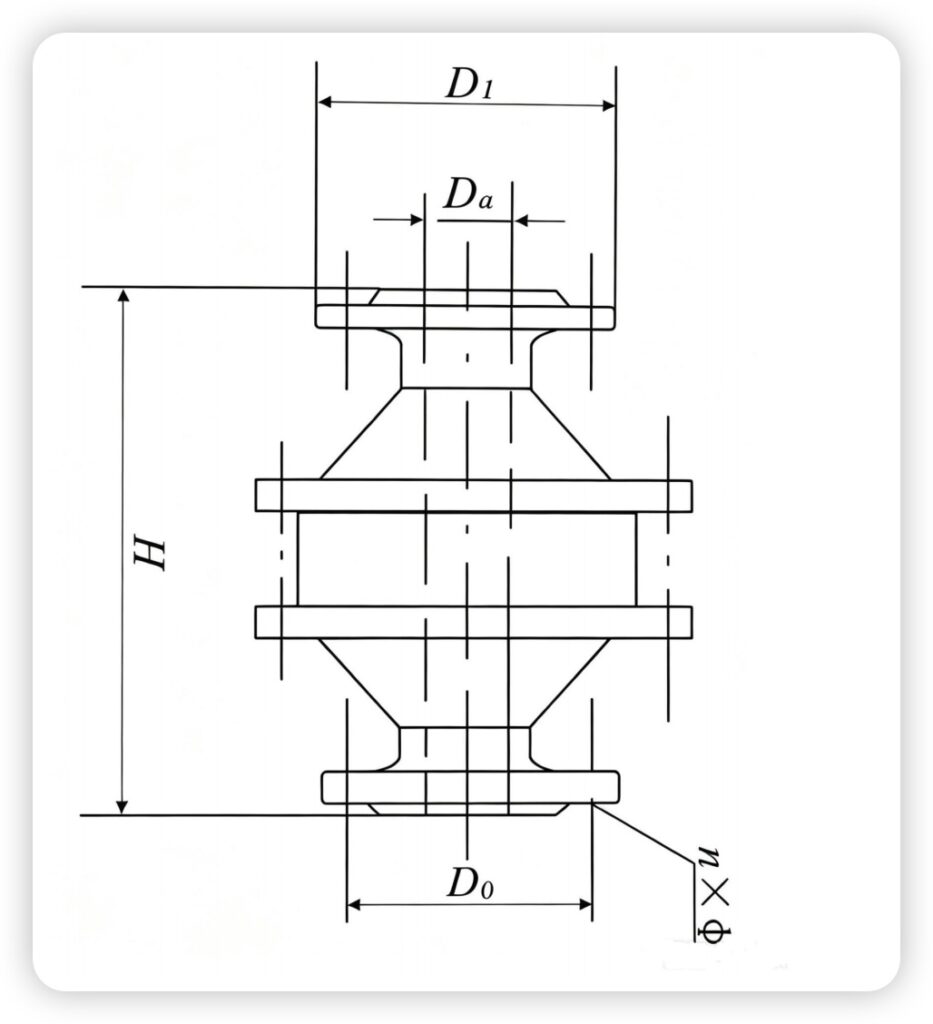
FAL-50 to FAL-200 Flame Arresters Dimensions Flanged Ends
| Model | DN | D1 mm | Do mm | H mm | Bolt Holes | Hole Diameter |
|---|---|---|---|---|---|---|
| FAL-50 | 50 | 140 | 110 | 175 | 4 | Φ14 |
| FAL-80 | 80 | 185 | 150 | 215 | 4 | Φ14 |
| FAL-100 | 100 | 205 | 170 | 220 | 4 | Φ18 |
| FAL-150 | 150 | 260 | 225 | 240 | 8 | Φ18 |
| FAL-200 | 200 | 315 | 280 | 260 | 8 | Φ18 |
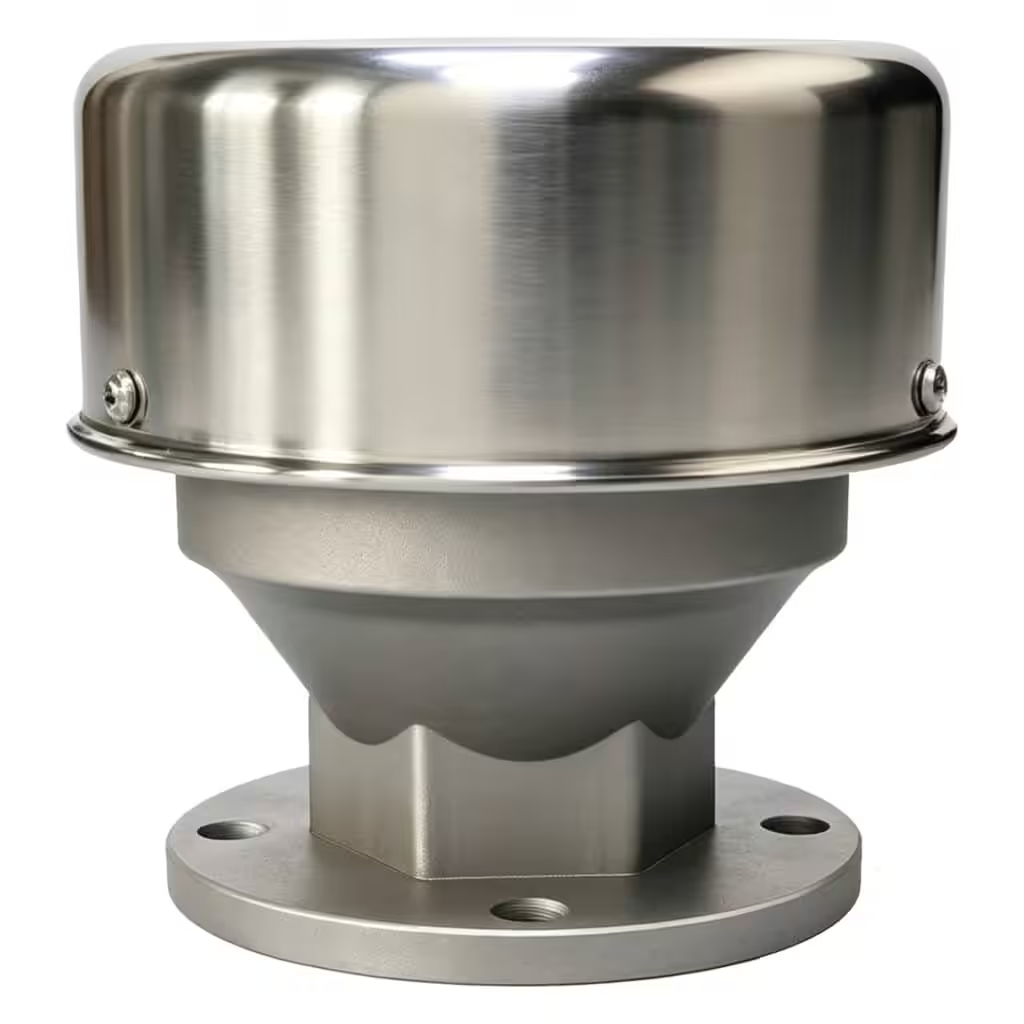
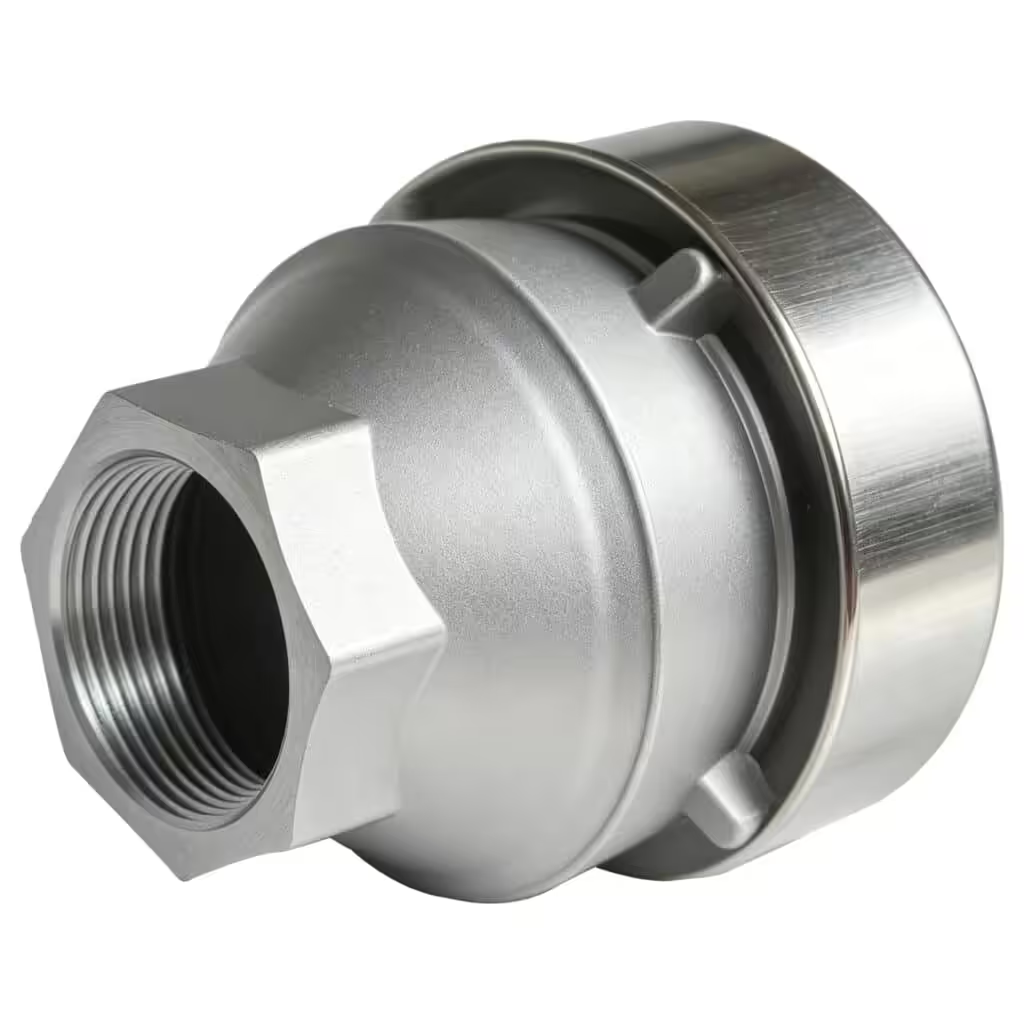
FAL-50E End-of-Line Aluminum Flame Arrester / Flame Vent Cap
In addition to the FAL25 threaded in-line flame arrester and the FAL50–FAL200 flanged in-line flame arresters, THINKTANK also supplies the FAL-50E end-of-line aluminum flame arrester, also known as a flame arrester vent cap or flame arresting breather cap.
The FAL-50E is designed for installation at the open end of a vent pipe or on the top vent connection of a storage tank. It allows normal tank breathing or gas discharge while helping prevent flame transmission from an external ignition source into the tank or piping system.
FAL-50E Construction Features
The FAL-50E uses an aluminum alloy housing with a stainless steel corrugated flame element. The flame element is made from stainless steel strip formed into multiple flame-quenching passages. When a flame front reaches the element, the narrow passages absorb and dissipate heat from the flame, helping prevent flame transmission under defined operating conditions.
| Item | FAL-50E |
| Product type | End-of-line aluminum flame arrester / flame vent cap |
| Installation position | Open end of vent pipe or storage tank vent outlet |
| Body material | Aluminum alloy |
| Flame element material | Stainless steel corrugated strip |
| Flame element reference size | Approx. Ø120 mm × 0.1 mm strip thickness × 41.5 mm height |
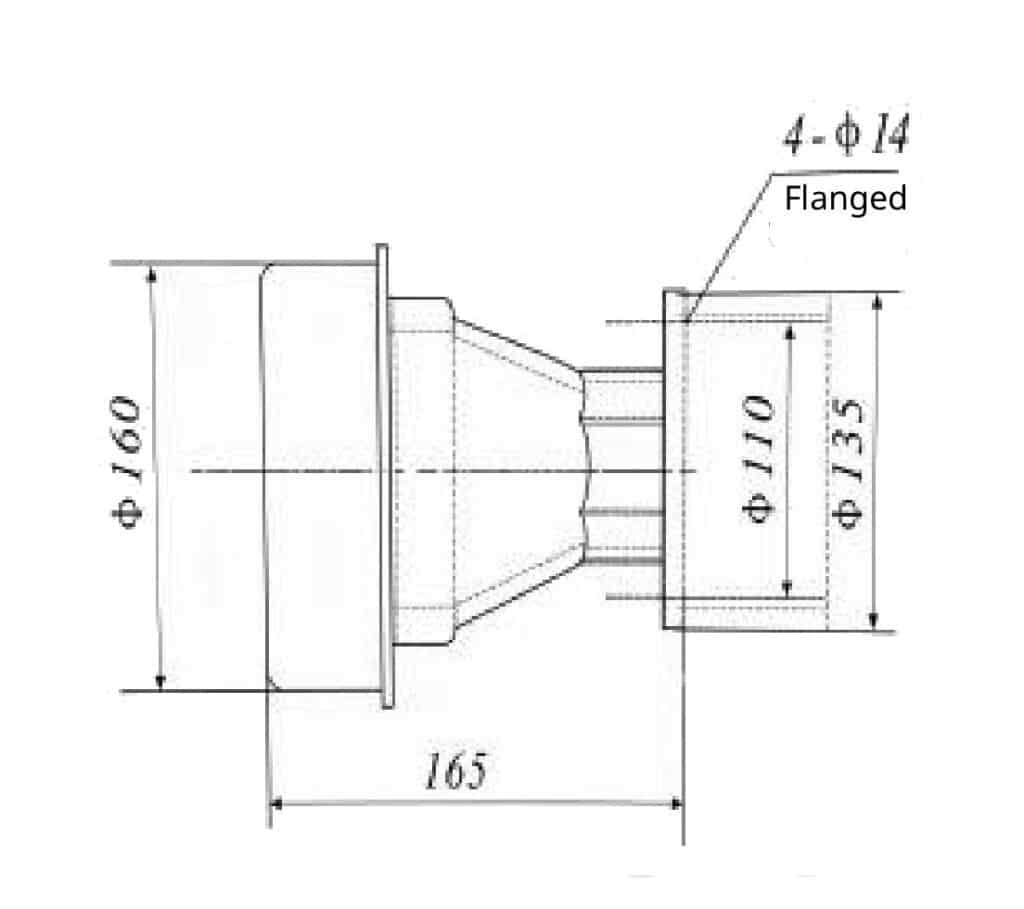
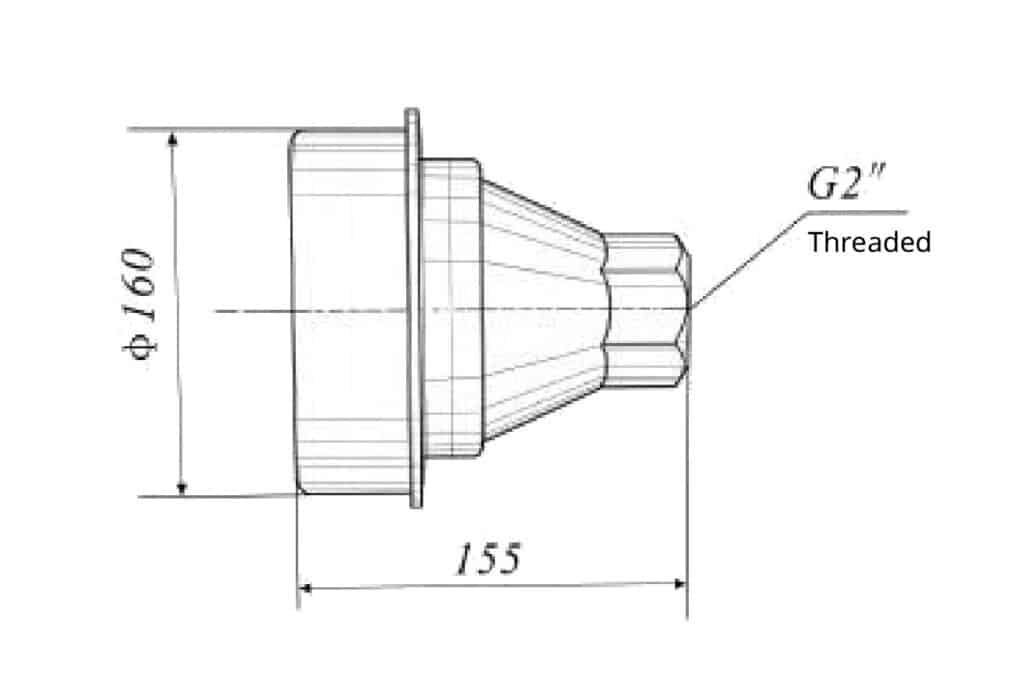
| Connection options | G2″ threaded type or DN50 flanged type |
| Threaded type reference dimension | Approx. Ø160 cap diameter, 155 mm overall height, G2″ connection |
| Flanged type reference dimension | Approx. Ø160 cap diameter, 165 mm overall height, flange Ø135 mm, bolt circle Ø110 mm, 4-Ø14 holes |
| Typical media | Oil gas, fuel vapor, coal gas, natural gas and other compatible flammable vapor-air mixtures |
| Typical applications | Storage tank vents, fuel tank breathing lines, gas vent outlets, vapor discharge lines, oil gas recovery systems |
| Maintenance | Removable flame element for inspection and cleaning |
Typical Applications
1. Fuel Tank Venting
For the related tank-breathing calculation topic, see our tank blanketing and breather valve sizing guide.
Fuel tanks may release flammable vapor during filling, emptying, temperature changes or breathing operation. A flame arrester can be installed on the vent line to reduce the risk of flame transmission into the tank.
For tank venting applications, flame arresters should be selected together with pressure/vacuum relief valves, emergency vents, and tank blanketing systems where required.
2. Natural Gas and Coal Gas Pipelines
The FAL25 threaded model is suitable for small gas lines, while the FAL50–FAL200 flanged models can be applied to larger gas transmission or discharge piping. Typical applications include natural gas skids, coal gas lines, gas treatment units, and gas exhaust systems.
3. Oil Gas and Vapor Discharge Lines
Flammable vapor discharge lines may exist in chemical, petrochemical, fuel storage and environmental treatment systems. The flame arrester should be selected based on the line arrangement and whether the expected flame condition is end-of-line, in-line deflagration or detonation.
For these applications, aluminum alloy is suitable only when the medium, temperature, pressure and corrosion conditions are compatible with aluminum construction. If the service condition is more severe, carbon steel or stainless steel body materials should be considered.
4. Skid-mounted Equipment and OEM Systems
The FAL25 and FAL50 models are suitable for OEM equipment manufacturers who need compact flame protection in fuel systems, gas equipment, vapor piping or packaged process units.
The lightweight aluminum body helps reduce equipment weight and simplifies installation in compact assemblies.
How to Select the Right Flame Arrester
Selecting a flame arrester should not be based only on pipe size. The following information should be confirmed before final selection:
| Selection Factor | Why It Matters |
|---|---|
| Installation type | End-of-line, in-line deflagration and in-line detonation arresters have different design and test requirements |
| Body material | Aluminum, carbon steel and stainless steel should be selected according to medium and environment |
| Medium composition | Different gas mixtures require different flame element designs |
| Gas group / MESG | Determines whether the arrester is suitable for the explosive mixture |
| Deflagration or detonation risk | A deflagration arrester should not be used where detonation protection is required |
| Operating pressure | Flame behavior changes with pressure |
| Operating temperature | Temperature affects gas ignition risk and material selection |
| Pipe size and flow rate | Determines pressure drop and arrester size |
| Allowable pressure drop | Critical for tank venting and low-pressure vapor systems |
| Connection standard | Threaded, EN flange, ASME flange, JIS flange, RF/FF face |
| Maintenance access | Flame elements require inspection and cleaning |
| Certification requirement | ATEX, IECEx, ISO/IEC 80079-49, or project-specific documentation may be required |
| Distance from ignition source | In-line arresters must be reviewed against tested installation limitations |
Aluminum, Carbon Steel or Stainless Steel: How to Choose the Body Material
Although this article focuses on aluminum flame arresters, body material selection should always follow the actual service condition.
| Body Material | Typical Advantages | Typical Considerations |
| Aluminum alloy | Lightweight, easy to handle, suitable for compact installations and selected fuel vapor/gas applications | Not suitable for every corrosive, high-temperature or severe-pressure condition |
| Carbon steel | Stronger body option for general industrial use and many process piping applications | Requires corrosion evaluation and coating/painting protection where needed |
| Stainless steel | Better corrosion resistance, suitable for chemical vapor, marine environment and more demanding service | Higher cost than aluminum or carbon steel |
For chemical vapor, corrosive service, marine environment, high humidity, acidic gas, high temperature or severe service conditions, stainless steel or other alloy materials may be more suitable than aluminum.
Deflagration and Detonation: Why the Difference Matters
In flame arrester selection, engineers must clearly distinguish between deflagration and detonation.
A deflagration is a flame front that propagates at subsonic speed. Many tank vent and low-pressure gas line applications are evaluated as deflagration service, depending on piping layout and operating condition.
A detonation is a much more severe flame propagation condition with a shock wave. It requires a detonation flame arrester designed and tested for that condition.
A deflagration flame arrester should not be used for detonation service unless it is specifically designed, tested and documented for that application.
THINKTANK can support both deflagration and detonation flame arrester requirements according to project conditions. The correct model must be selected after reviewing gas composition, installation position, pipe layout, pressure, temperature and required certification scope.
In-line and End-of-line Installation
Flame arresters are also classified by installation position.
| Installation Type | Typical Position | Common Applications |
| End-of-line flame arrester | At the open end of a vent pipe or vessel vent | Atmospheric tank vents, vent stacks, breather outlets |
| In-line flame arrester | Installed within a pipeline | Gas piping, vapor transfer lines, process vent lines |
| In-line deflagration arrester | Installed in piping where deflagration protection is required | Low-pressure vapor lines, fuel gas piping, tank vent headers |
| In-line detonation arrester | Installed in piping where detonation risk must be considered | Longer pipe runs, higher-risk vapor systems, process safety applications |
The FAL Series aluminum models are mainly positioned for selected threaded and flanged gas/vapor piping applications. For end-of-line service, detonation service, higher pressure or more severe process conditions, THINKTANK can provide other flame arrester configurations and materials based on project review.
Engineering Notes for Projects
For every customers, the following technical information should be confirmed before order:
| Required Information | Recommended Confirmation |
|---|---|
| Thread standard for FAL25 | BSP, BSPT, NPT, G thread, or project-specific thread |
| Flange standard for FAL50–FAL200 | EN 1092-1, ASME B16.5, JIS, or custom flange |
| Flange facing | RF, FF, or other sealing face |
| Gas group | IIA, IIB3, or project-specific gas mixture |
| Operating pressure | Normal pressure and maximum initial pressure |
| Operating temperature | Minimum and maximum operating temperature |
| Flow rate | Required flow capacity and allowable pressure drop |
| Installation distance | Distance from possible ignition source and pipeline layout |
| Certification | Project requirement for ISO/IEC 80079-49, ATEX, IECEx, or local approval |
| Documentation | Datasheet, drawing, test report, IOM manual, material certificate |
Why Choose THINKTANK FAL Series?
The FAL Series is developed for customers who need a practical flame arrester solution for small and medium-size flammable gas and vapor applications.
Key Advantages
Lightweight aluminum alloy housing
The aluminum alloy body reduces weight compared with many steel-bodied flame arresters, making installation and handling easier.
Stainless steel corrugated flame element
The stainless steel flame element provides the core flame-quenching function and can be removed for inspection and cleaning.
Threaded and flanged options
FAL25 covers DN25 threaded applications, while FAL50–FAL200 covers flanged piping and tank venting systems.
Maintenance-friendly structure
The O-ring sealing and removable internal structure make it easier to clean and inspect the flame element during routine maintenance.
Suitable for OEM and project supply
The series can support fuel tank manufacturers, skid builders, gas equipment suppliers, and engineering contractors requiring compact flame arrester solutions.
Recommended Inquiry Information
To help THINKTANK select the correct FAL flame arrester, customers are advised to provide:
Medium name and composition; nominal size; connection standard; operating pressure; operating temperature; flow rate; installation position; tank or pipeline layout; certification requirement; quantity; and required delivery time.
For example:
- Medium: natural gas
- Size: DN50
- Connection: ASME B16.5 Class 150 RF flange
- Installation: in-line gas discharge pipe
- Operating pressure: near atmospheric
- Operating temperature: ambient
- Requirement: aluminum body, stainless steel flame element, datasheet and drawing required
Conclusion
The THINKTANK FAL Series aluminum flame arresters are designed for practical flame protection in small and medium-size gas lines, tank vents, and vapor discharge systems. The FAL25 threaded model offers a compact solution for DN25 pipelines, while the FAL50–FAL200 flanged models cover larger tank and piping applications.
For buyers comparing international brands, the FAL Series should be understood as a lightweight, maintainable, and cost-effective flame arrester option for defined operating conditions. For engineering projects, final selection should always be based on medium composition, gas group, operating pressure, operating temperature, flow rate, installation position, and required documentation.
FAQ
What is the difference between FAL25 and FAL50?
FAL25 is a DN25 threaded aluminum flame arrester for small gas lines. FAL50 is a DN50 flanged aluminum flame arrester for larger piping, tank venting, and vapor discharge applications.
Can the FAL Series be used for natural gas?
Yes, the FAL Series can be considered for natural gas pipeline and venting applications. The final selection must confirm gas composition, pressure, temperature, installation position, and applicable certification requirements.
Can the FAL Series be used for gasoline or diesel tank vents?
The FAL50–FAL200 flanged models are suitable for medium and small fuel tank venting applications involving diesel vapor, gasoline vapor, and similar flammable vapors. The tank venting system should be reviewed together with pressure/vacuum relief requirements.
What documents can THINKTANK provide?
Depending on project requirements, THINKTANK can provide product datasheets, dimensional drawings, 3D molding, material information, inspection records, test reports, and installation/maintenance guidance.