Product Overview
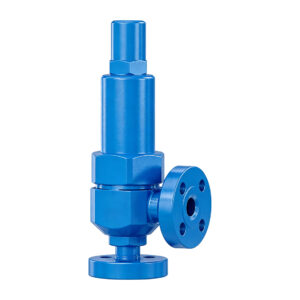
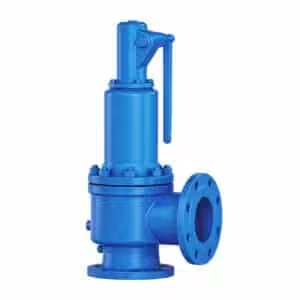
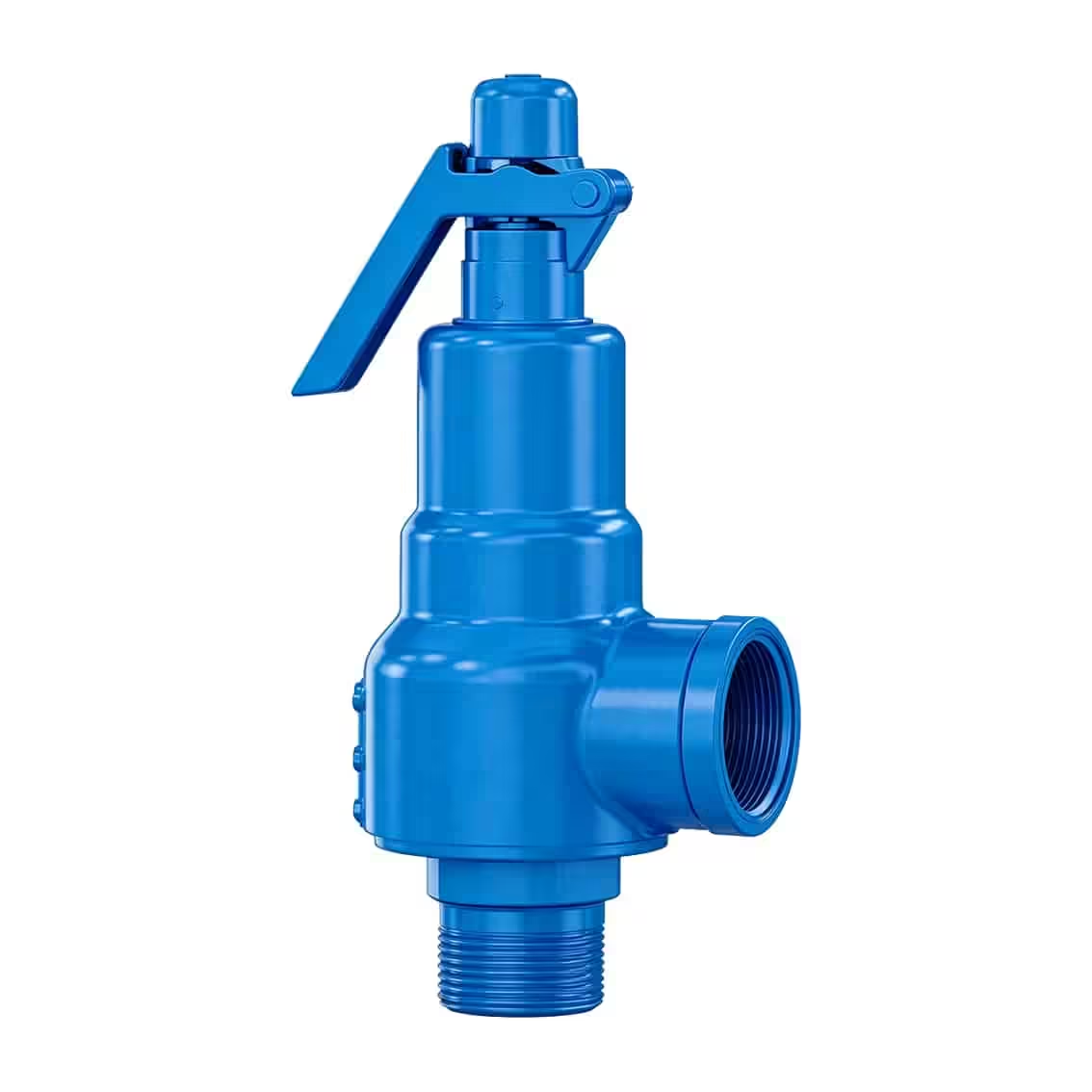
The THINKTANK TT-A28H/Y Series is a direct spring-loaded, full-lift threaded safety valve with lever, designed to provide automatic overpressure protection for equipment and process piping.
Available in sizes from DN15 to DN65, the series is suitable for air, steam, water, ammonia mixtures and similar media, with configurations also available for corrosive service.
Compared with a low-lift safety valve, the full-lift design provides a larger valve opening relative to the orifice diameter, making it suitable for applications requiring higher relieving capacity within a compact threaded valve configuration.
Model Selection
TT-A28H/Y
Suitable for equipment and pipelines handling:
- Air
- Steam
- Water
- Ammonia mixtures
- Similar compatible media
Operating temperature: ≤200°C
TT-A28Y-P/R
Designed for equipment and pipelines handling:
- Corrosive media
Operating temperature: ≤200°C
Material compatibility should be verified according to the actual process medium, concentration, pressure and operating temperature.
Quick Specifications
| Parameter | Specification |
|---|---|
| Model | TT-A28H/Y / TT-A28Y-P/R |
| Product Type | Spring-Loaded Full-Lift Safety Valve |
| Size Range | DN15–DN65 |
| Connection | Threaded |
| Design | Direct Spring-Loaded |
| Lift Type | Full Lift |
| Lever | Yes |
| Applicable Media | Air, steam, water, ammonia mixtures or corrosive media depending on model |
| Maximum Operating Temperature | ≤200°C |
| Function | Overpressure Protection |
| Manufacturer | THINKTANK |
How It Works
The TT-A28H/Y is a direct spring-loaded safety valve.
During normal operation, the spring applies sufficient force to keep the valve disc seated and the valve closed.
When the pressure of the protected equipment or pipeline reaches the specified set pressure, the upward force generated by the process pressure overcomes the spring force and causes the valve to open.
As the valve opens, process fluid is discharged and excessive system pressure is relieved.
When the system pressure decreases to the reseating range, spring force moves the disc back toward the seat and the valve recloses.
The valve is equipped with an external lever mechanism associated with the lifting assembly.
Full-Lift Design
The TT-A28H/Y uses a full-lift configuration, distinguishing it from low-lift threaded safety valves such as the TT-A27H/Y Series.
Under the general performance criteria used for this safety valve family:
Full-lift valve lift H ≥ 1/4 d₀
where:
- H = Valve lift
- d₀ = Orifice diameter
The larger relative lift provides greater available flow area and therefore makes the design more suitable where increased relieving capacity is required.
Final relieving capacity must nevertheless be verified against the actual process conditions and required relief load.
Typical Applications
The TT-A28H/Y Series can be considered for:
- Steam piping
- Compressed air systems
- Water systems
- Ammonia-related process systems
- Small pressure vessels
- Packaged process equipment
- Skid-mounted systems
- Utility piping
- Industrial process piping
- Corrosive service with a suitable TT-A28Y-P/R configuration
Final valve selection should consider the medium, set pressure, relieving pressure, temperature, required capacity, back pressure and material compatibility.
General Performance Requirements
| Applicable Medium | Shell Test Pressure Ps | Seal Test Pressure Pm | Blowdown ΔP | Discharge Pressure Pp | Lift Height H |
| Steam | — | 90% Pk or the minimum reseating pressure, whichever is lower | When Pk ≤ 0.4 MPa: ΔP ≤ 0.04 MPa; when Pk > 0.4 MPa: ΔP ≤ 10% Pk | ≤ 1.03 Pk | Full-lift: ≥ 1/4 d₀; Low-lift: ≥ 1/20 d₀ |
| Air or other gases | 1.5 PN | When Pk ≤ 0.3 MPa: Pm = Pk − 0.03 MPa; when Pk > 0.3 MPa: Pm = 90% Pk | When Pk ≤ 0.2 MPa: ΔP ≤ 0.03 MPa; when Pk > 0.2 MPa: ΔP ≤ 15% Pk | ≤ 1.1 Pk | Full-lift: ≥ 1/4 d₀; Low-lift: ≥ 1/20 d₀ |
| Water or other liquids | — | When Pk ≤ 0.3 MPa: Pm = Pk − 0.06 MPa; when Pk > 0.3 MPa: Pm = 80% Pk | When Pk ≤ 0.3 MPa: ΔP ≤ 0.06 MPa; when Pk > 0.3 MPa: ΔP ≤ 20% Pk | ≤ 1.2 Pk | Full-lift: ≥ 1/4 d₀; Low-lift: ≥ 1/20 d₀ |
Notes:
- Pk = Set pressure
- d₀ = Orifice diameter
- PN = Nominal pressure
- Actual test and performance requirements shall be confirmed according to the specific valve model, project specification and applicable standard.
For the TT-A28H/Y Series, the full-lift criterion applies: H ≥ 1/4 d₀.
Dimensions
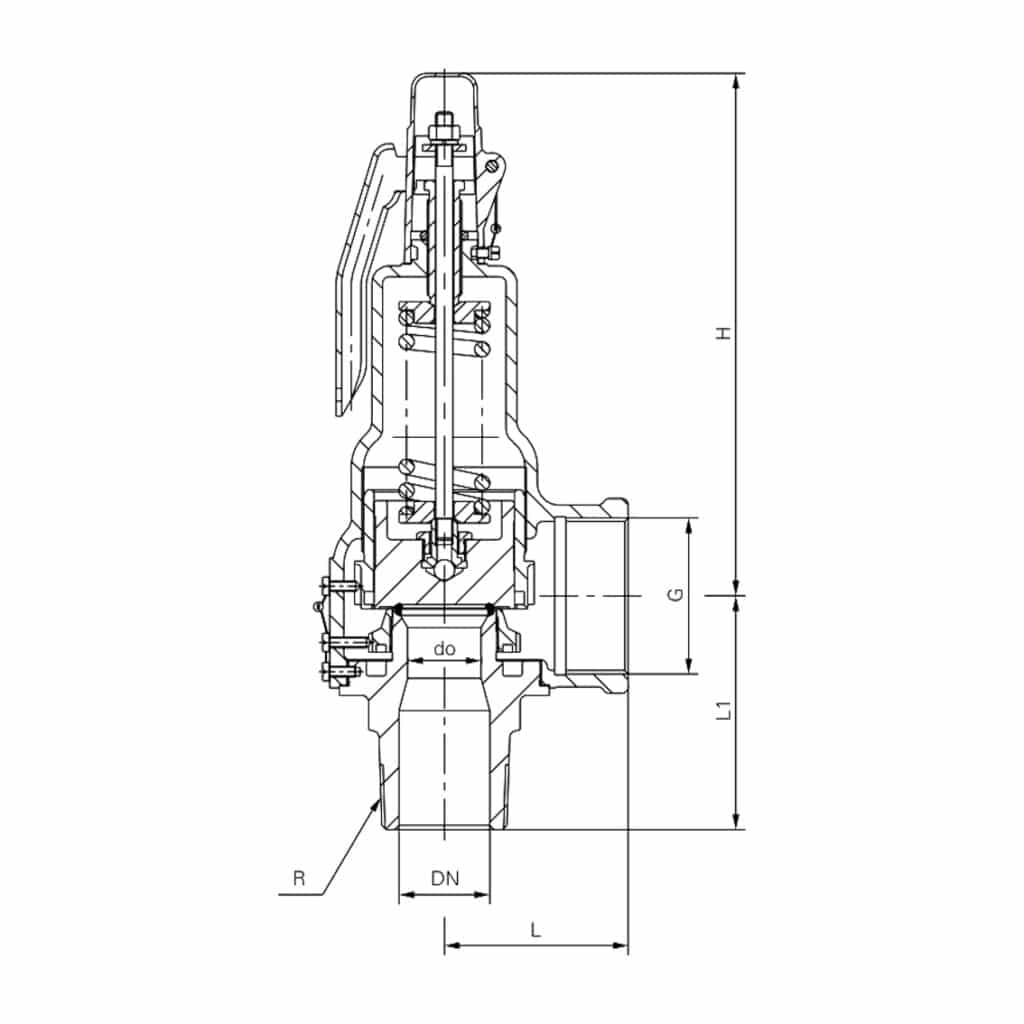
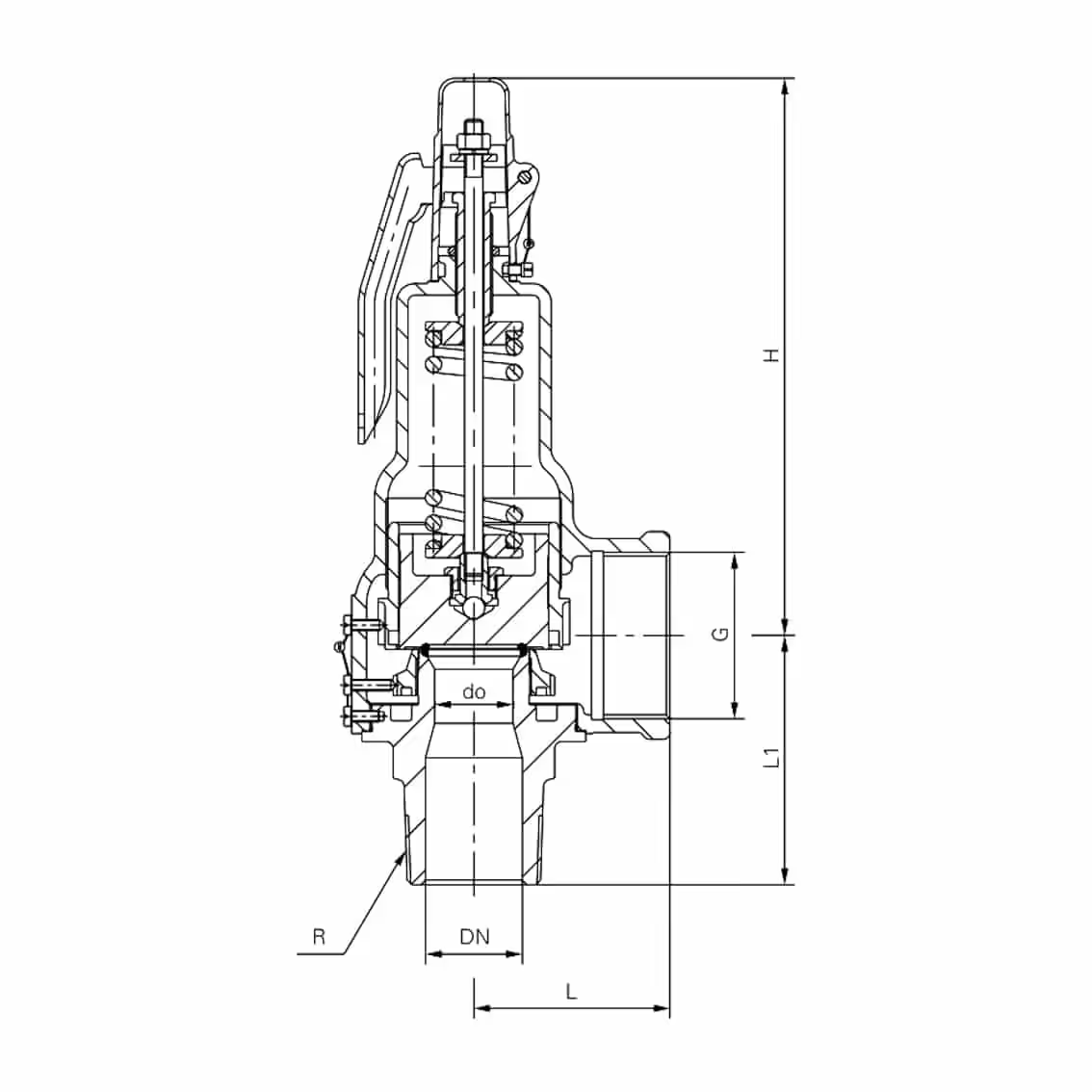
| DN | Orifice d₀ (mm) | R Thread | G Thread | L (mm) | L1 (mm) | H Approx. (mm) |
| 15 | 10 | 1/2″ | 3/4″ | 42 | 55 | 136 |
| 20 | 12 | 3/4″ | 1″ | 45 | 60 | 136 |
| 25 | 15 | 1″ | 1 1/4″ | 52 | 68 | 153 |
| 32 | 20 | 1 1/4″ | 1 1/2″ | 65 | 80 | 224 |
| 40 | 25 | 1 1/2″ | 2″ | 75 | 95 | 225 |
| 50 | 32 | 2″ | 2 1/2″ | 85 | 108 | 242 |
| 65 | 40 | 2 1/2″ | 3″ | 110 | 145 | 242 |
Dimensions are for preliminary engineering reference. Final approved dimensional drawings should be confirmed before piping fabrication or installation.
Safety Valve Sizing and Selection
A safety valve should not be selected only according to its nominal connection size.
For correct selection of the TT-A28H/Y Series, please provide:
- Process medium
- Set pressure
- Operating pressure
- Operating / relieving temperature
- Required relieving capacity
- Back pressure
- Inlet and outlet connection
- Required valve materials
- Applicable standards or certification requirements
- Installation and discharge arrangement
For steam and gas applications, additional thermodynamic data may be required for relieving capacity calculation.
For liquid service, fluid density and other process properties may also be required.
Engineering Support
THINKTANK supports EPC contractors, system integrators, equipment manufacturers, research facilities and industrial users with:
- Safety valve sizing and selection
- Relieving capacity review
- Set-pressure configuration
- Material selection
- Dimensional drawings
- 3D models for system integration
- Replacement valve evaluation
- Project-specific technical documentation
With more than 30 years of industrial valve application experience, THINKTANK can also evaluate equivalent replacements for existing safety valve brands and provide technically suitable and cost-effective alternatives.